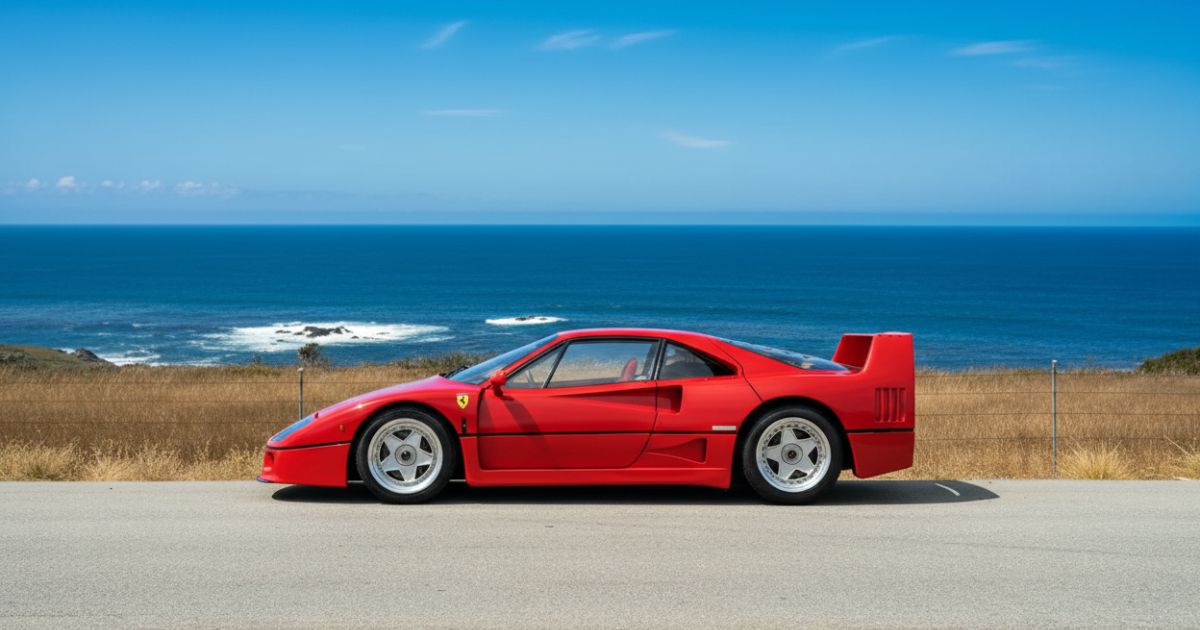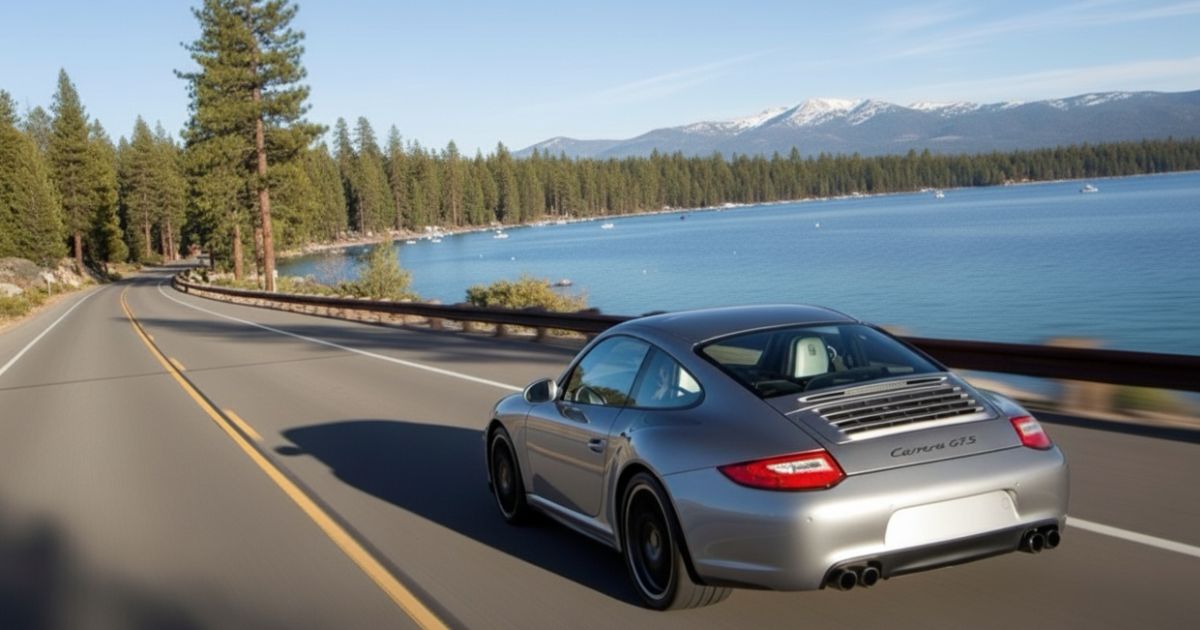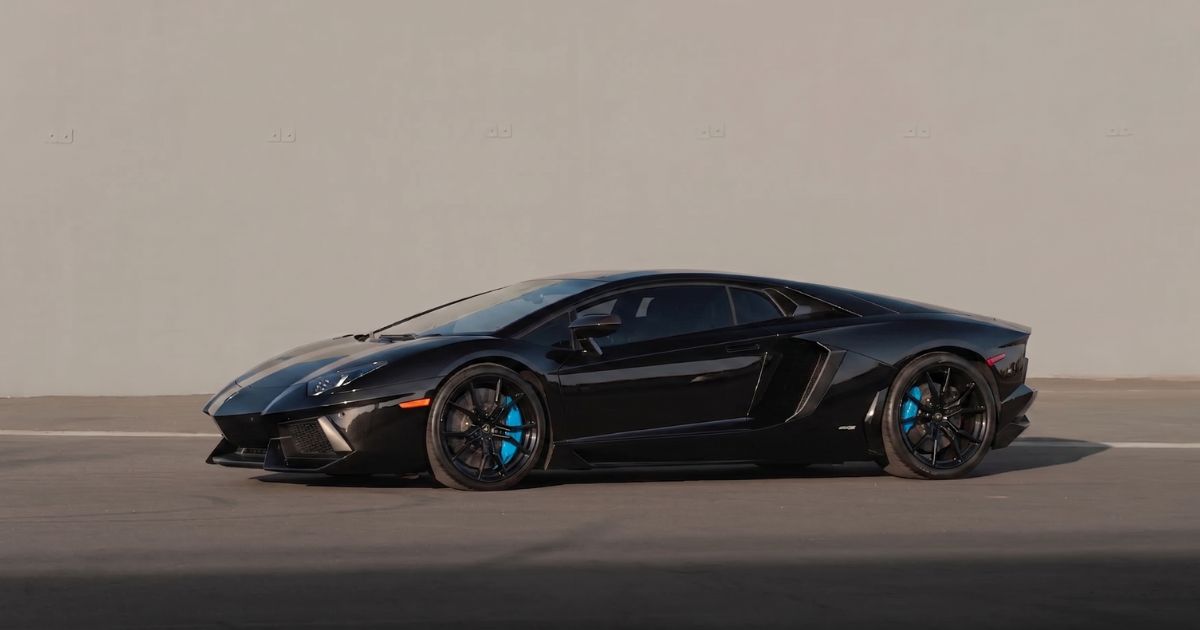
A professional detail before listing your car is standard practice for serious sellers. It makes the car photograph better, show better, and signal to buyers that the seller takes presentation seriously. What is less understood is how detailing work interacts with your service archive and what it should and should not include.
What Belongs in Your Archive
Not all detailing work is equal from a documentation standpoint. Some services belong in your archive. Others do not.
Paint correction documentation belongs in your archive when it is significant. A multi-stage paint correction that removes scratches, swirl marks, and oxidation is a legitimate service that improves the car's condition in a permanent and measurable way. Document it with the shop's name, the process used, and before and after photographs if available.
Ceramic coating or paint protection film installation absolutely belongs in your archive. These are protective treatments with defined lifespans that future buyers will want to know about. Document the product used, the installer, the date, and any warranty information that transfers with the car.
Interior restoration work such as leather conditioning, seat bolster repair, or headliner replacement should be documented. These are condition improvements that affect the car's value and that buyers will notice and ask about.
What Does Not Belong in Your Archive
A standard wash and vacuum does not need to be in your service archive. It is maintenance, not a service event, and cluttering your archive with routine cleaning receipts dilutes the credibility of the genuinely important records around them.
Tire dressing and interior detailing products applied as part of a pre-sale preparation are presentation choices, not service documentation. Leave them out.
Odor treatments for minor issues are worth omitting unless the issue itself is disclosed. A buyer who sees an ozone treatment receipt will want to know what caused the odor. If the cause is something benign and fully resolved, include a brief honest note. If it is something you would prefer not to discuss, be aware that a buyer who finds the receipt during due diligence will ask anyway.
The Presentation Trap
The most important thing to understand about pre-sale detailing is what it can and cannot do. A professionally detailed car looks excellent in photographs and in person. It creates a strong first impression that primes buyers to view the car favorably.
What it cannot do is substitute for mechanical documentation. Buyers who know what they are doing will look past the shine within minutes of arrival and go straight to the service binder. A car that looks immaculate but has no maintenance records does not become more credible because it was recently detailed. It becomes more suspicious.
Detail the car because it deserves to be presented at its best. Document the meaningful work. Let the mechanical records do the actual selling.
How to Present Detailing Work Honestly
If you have had significant paint work done before sale, be clear about why. A paint correction performed to address years of wash swirls is a different disclosure than a correction performed to obscure fresh paint on a repaired panel.
Buyers will conduct paint thickness measurements on any serious purchase. A professional detail that follows legitimate paint correction will show appropriate and consistent readings. A detail that follows undisclosed panel repair will show elevated readings in specific areas regardless of how good the car looks on the surface.
Honest presentation of what was done and why is always the more credible approach.
Frequently Asked Questions
Should I disclose that the car was professionally detailed before sale?
It is worth mentioning in your listing as a positive, but it does not need a dedicated archive entry unless the work involved paint correction or protective coatings. A simple note in your listing description that the car was professionally detailed before sale is sufficient for standard preparation work.
Does ceramic coating add value to an enthusiast car sale?
Yes, when documented and transferable. A ceramic coating with a remaining warranty that transfers to the new owner is a genuine value-add. An undocumented coating of unknown age and brand is a minor positive at best.
What is the best way to photograph a detailed car for a listing?
Natural indirect light in the early morning or late afternoon produces the most accurate representation of paint condition. Avoid direct midday sun which creates harsh reflections that obscure paint defects. Photograph every panel, not just the glamour angles, so buyers can assess condition comprehensively before visiting.