Jan 20, 2026
BMW E36 M3 Buyer Guide: The Analog Performance Benchmark
Unlock the analog charm of the BMW E36 M3 with a deep dive into its balanced chassis and legendary inline-six power.
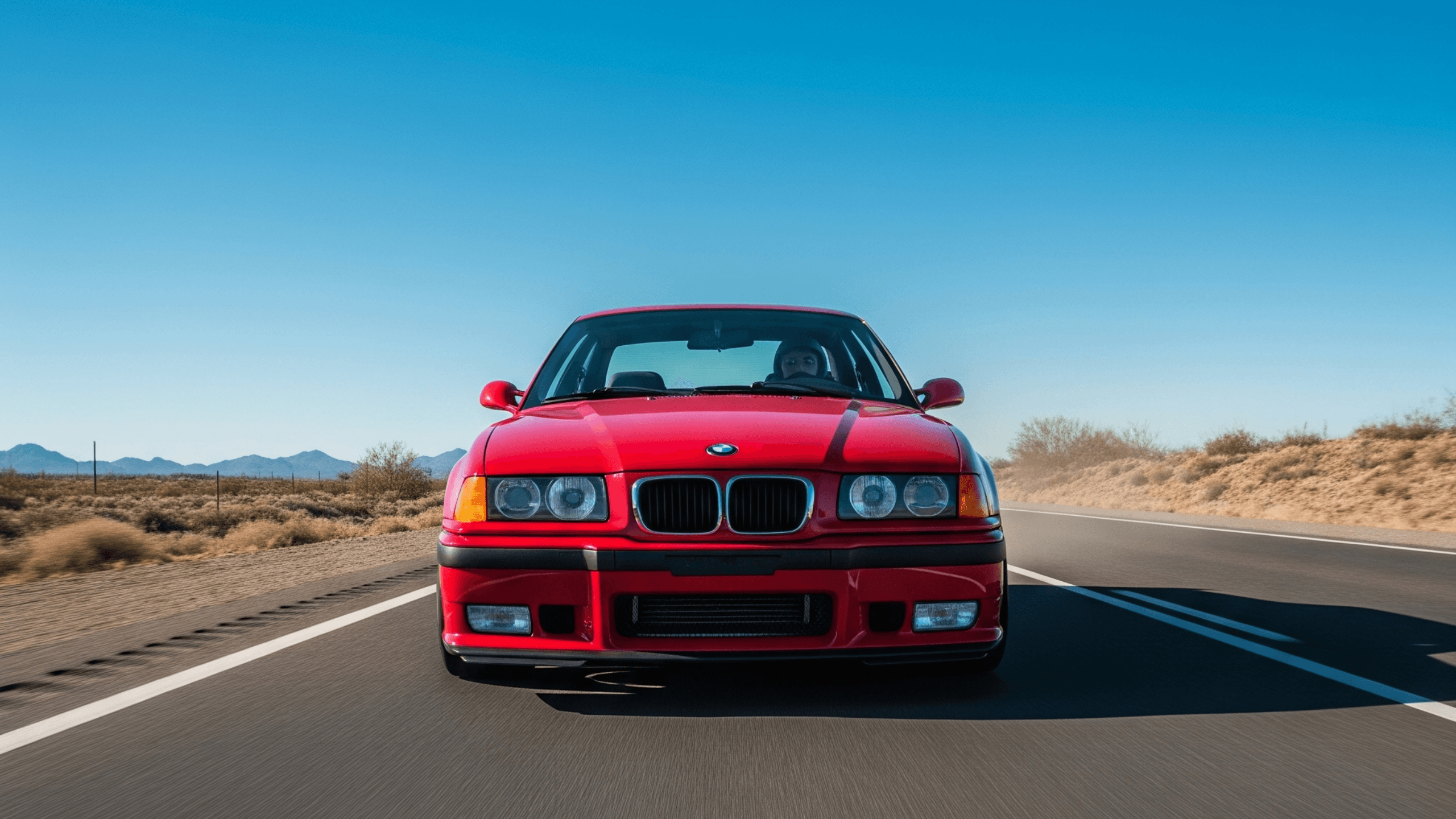
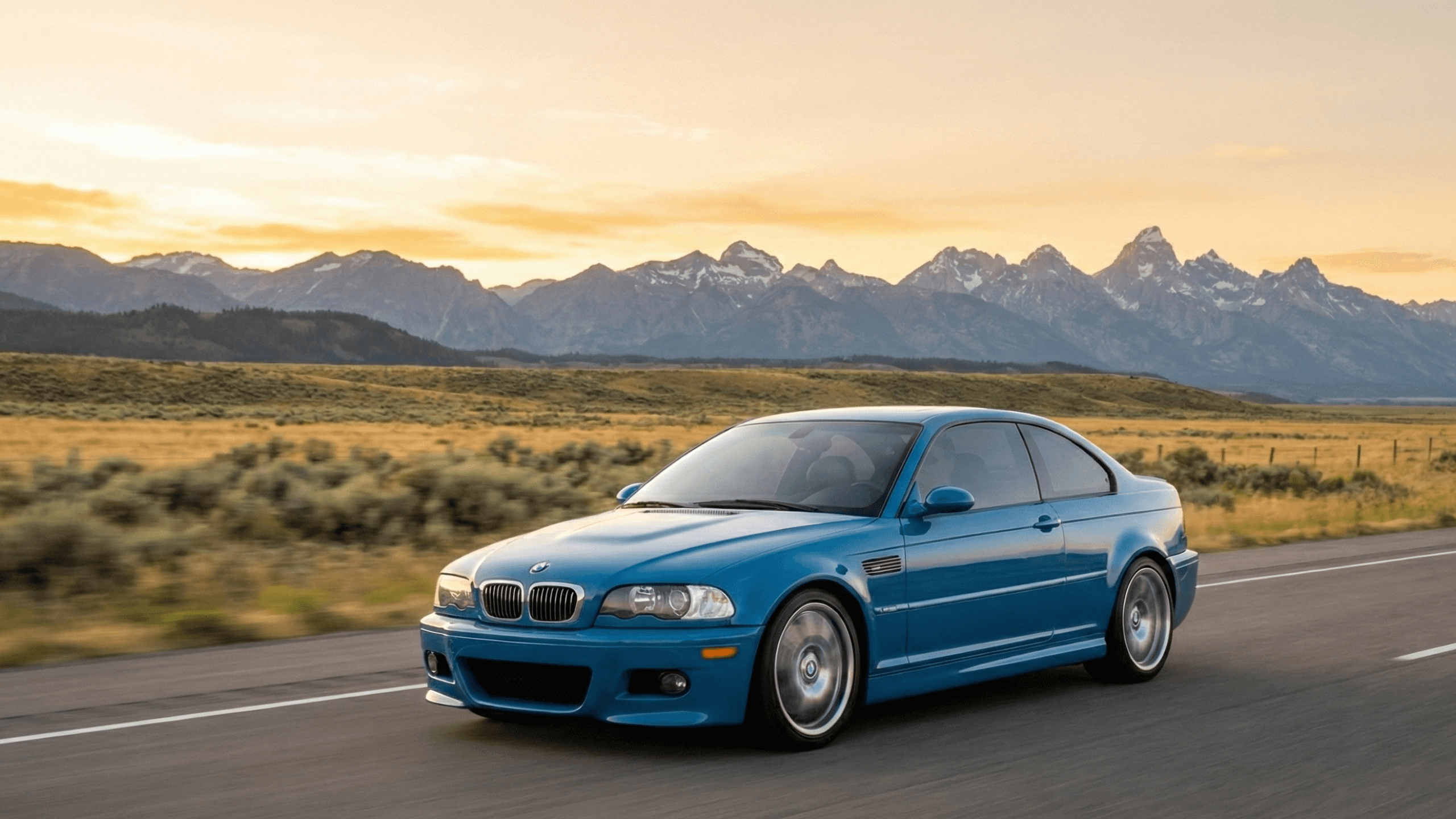
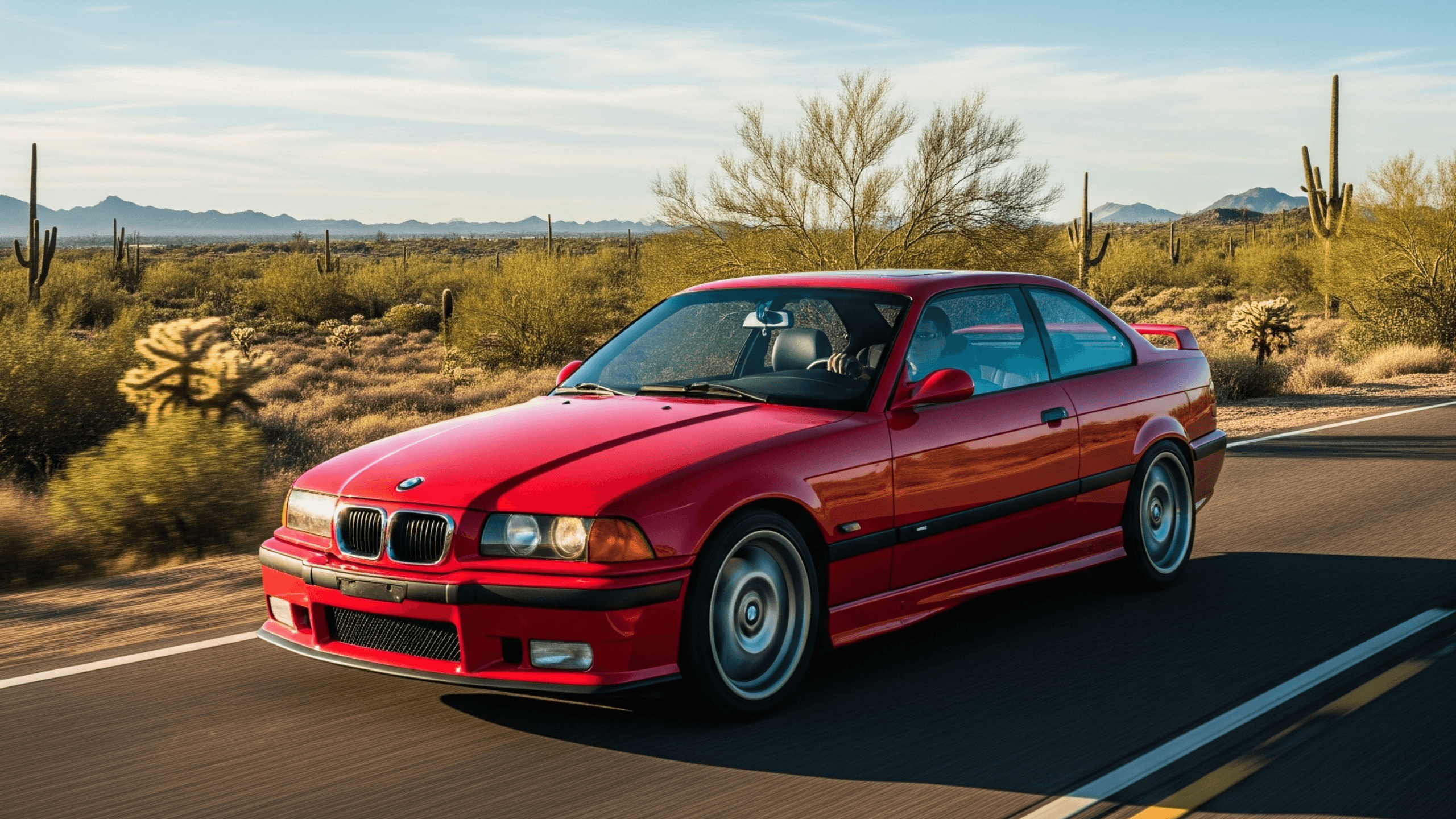
The BMW E36 M3, produced from 1992 to 1999, represents a pivotal era for the M Division. It transitioned the M3 from a high-strung, four-cylinder homologation special into a refined, six-cylinder executive athlete. For enthusiasts in 2026, the E36 M3 is the definitive entry point into analog BMW ownership. It offers a mechanical connection that modern, electronically insulated cars cannot replicate. This guide provides a technical analysis of the chassis, powertrain variations, and market drivers for this iconic model.
Model Overview: Evolution of the 3 Series Icon
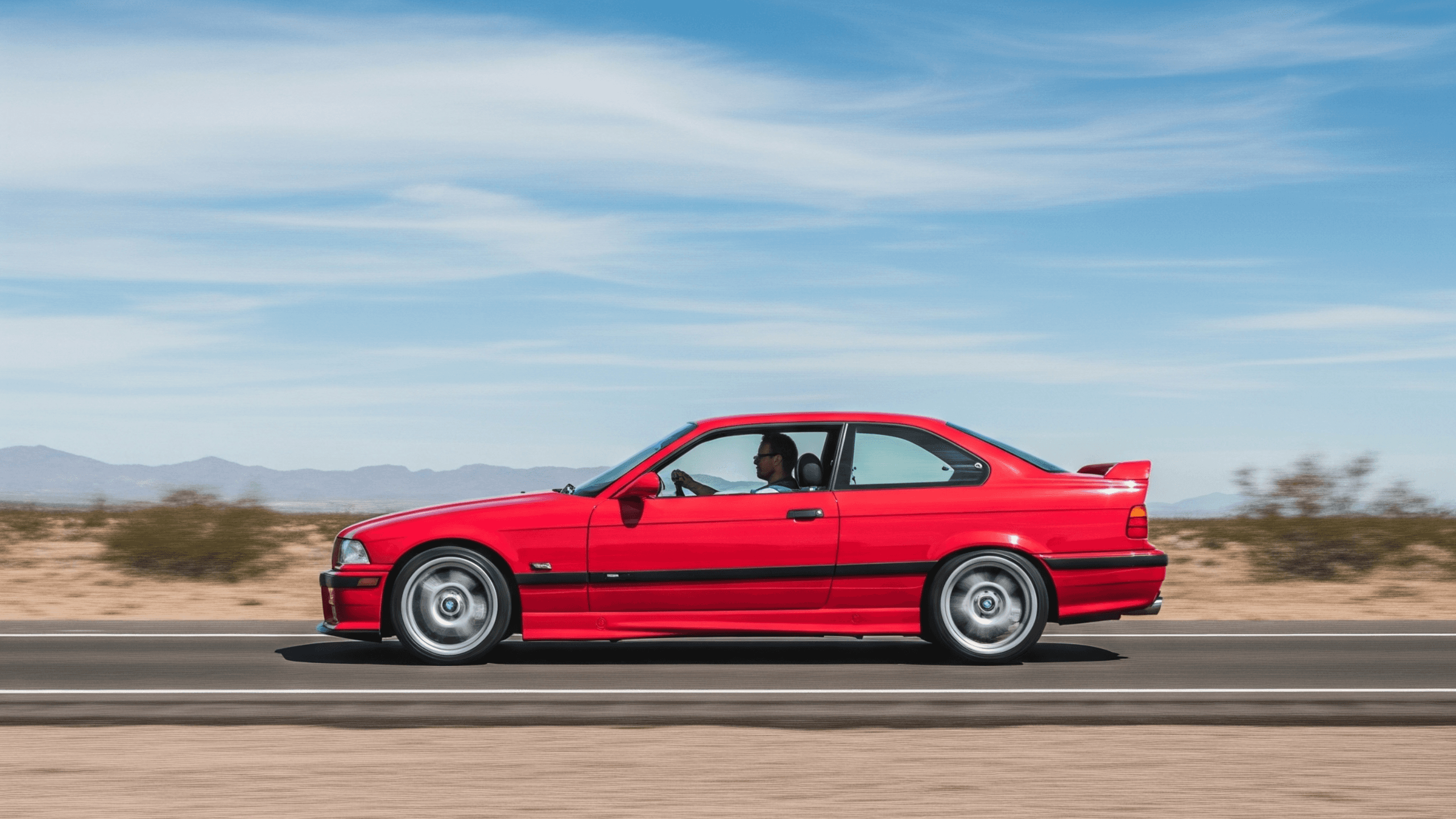
The E36 M3 was the first M3 to utilize an inline-six engine, a configuration that has since become synonymous with the brand. It was offered in three body styles: a two-door coupe, a four-door sedan (saloon), and a two-door convertible. The sedan variant remains particularly prized for its rigidity and rarity in certain markets.
The E36 chassis is famous for its 50/50 weight distribution and the Z-axle multi-link rear suspension. In the United States, the model underwent a mid-cycle update in 1996, moving from the 3.0-liter S50 engine and OBD-I diagnostics to the 3.2-liter S52 engine and OBD-II diagnostics.
Engine and Drivetrain: US-Spec vs. Euro-Spec
The most significant technical divide in E36 M3 history is the disparity between North American and European engines. While European models received high-output engines with individual throttle bodies, US models received tuned versions of the standard M50 and M52 engines.
US Market Powertrains
S50B30US (1995): A 3.0-liter engine producing 240 horsepower. It uses a single throttle body and a simpler intake-only VANOS system. It is favored by tuners for its OBD-I electronics.
S52B32 (1996–1999): A 3.2-liter evolution maintaining 240 horsepower but offering increased torque (236 lb-ft). This engine is OBD-II compliant and provides more low-end grunt for daily driving.
European Market Powertrains
S50B30 (1992–1995): A 3.0-liter engine producing 286 horsepower. It features forged internals and six individual throttle bodies.
S50B32 (1995–1999): The ultimate evolution of the Euro E36 engine, producing 321 horsepower.1 It introduced Dual-VANOS (variable timing on both intake and exhaust cams) and a six-speed manual transmission.
Engine Weak Points and Watch Items
The Oil Pump Nut: On US-spec engines, the nut securing the oil pump sprocket can vibrate loose, especially on cars that see high RPM or track use. Failure leads to immediate loss of oil pressure and engine destruction. Safety wiring or welding the nut is a mandatory preventative measure.
VANOS Rattle: The variable valve timing unit often develops a rattle, commonly described as a can of marbles. While rarely catastrophic, it indicates worn seals and bearings that affect power delivery.
Cooling System Fragility: BMW utilized plastic for the radiator end tanks, thermostat housing, and water pump impeller. These components become brittle with age and heat cycles. A full overhaul with metal components is recommended every 60,000 miles.
Chassis and Handling: Structural Integrity
The E36 M3 is a precision tool, but the chassis requires reinforcement to handle modern tire compounds and aggressive driving.
Common Mechanical Issues
Rear Trailing Arm Bushings (RTABs): When these rubber bushings fail, the rear of the car feels unsettled or wandering under acceleration. Upgrading to polyurethane bushings or using limiters is a standard enthusiast fix.
Rear Subframe Mounting Points: The sheet metal where the subframe bolts to the body can crack under stress. This is a critical structural failure. High-quality examples will often have reinforcement plates welded into these areas.
Rear Shock Mounts (RSM): The upper mounts for the rear shocks can tear through the thin sheet metal of the trunk floor. Heavy-duty mounts and reinforcement plates are essential upgrades.
Exterior and Body: Rust and Trim Concerns
While the E36 is mechanically robust, the bodywork is susceptible to environmental degradation, particularly in northern climates.
Rust Zones: Inspect the rocker panels, the base of the jack points, the bottom of the doors, and the area around the trunk lock. Front fenders frequently rust where they meet the side skirts due to trapped debris.
Trim and Weatherstripping: The rubber seals around the rear windows and door handles frequently crack and disintegrate. Replacement parts are available but can be expensive and labor-intensive to install.
Headlight Haze: US-spec plastic headlights yellow over time. Many owners swap these for European-spec glass housings (ZKW or Bosch) for better light output and aesthetics.
Interior and Electronics: The Vader Experience
The E36 interior is driver-focused but known for deteriorating plastics and sagging materials.
Vader Seats: The iconic high-back sport seats found in coupes are highly desirable. However, the Nappa leather bolsters wear heavily. Ensure the seat adjustment gears, which are often plastic, are still functional.
Headliner Sag: The adhesive used for the headliner fabric inevitably fails, causing the material to drop. This is a common issue in nearly all E36 models and requires professional reupholstering.
Digital Display Pixels: The 18-button On-Board Computer (OBC) and the climate control screen often lose pixels or fail entirely.
Maintenance History and Documentation
When reviewing a service binder, prioritize records of the following:
Cooling System Overhaul: Evidence of a metal-impeller water pump, aluminum thermostat housing, and a fresh radiator.
Suspension Refresh: Records of RTABs, front control arm bushings, and shock replacements.
Fluid Services: Consistent 5,000-mile oil changes and periodic differential and transmission fluid swaps.
Oil Pump Nut Service: Documentation that the nut has been secured is a significant value-add for US-spec cars.
The Enthusiast Market: Value and Collectibility
The market in 2026 distinguishes sharply between driver-grade cars and collector-grade specimens.
Market Value Drivers
The Lightweight (LTW): With only 126 units produced, the US-spec LTW is the crown jewel for collectors. These cars feature Alpine White paint with checkered graphics and a significant weight reduction.
Desirable Colors: Estoril Blue, Techno Violet, and Dakar Yellow command a premium over more common colors like Arctic Silver or Cosmos Black.
Transmission Choice: Five-speed manual cars are significantly more valuable than those equipped with the four-speed automatic.
US Production and Value Summary
Configuration | Production Rarity | Value Trend |
M3 Lightweight | Ultra-Rare (126 units) | Extreme Appreciation |
Manual Coupe | Common | Steady Appreciation |
Manual Sedan | Uncommon | High Demand |
Automatic (All) | Common | Stagnant |
The E36 M3 offers one of the most balanced steering and chassis combinations in automotive history. While it requires diligent preventative maintenance, the reward is a pure, unadulterated driving experience that modern performance cars cannot match.