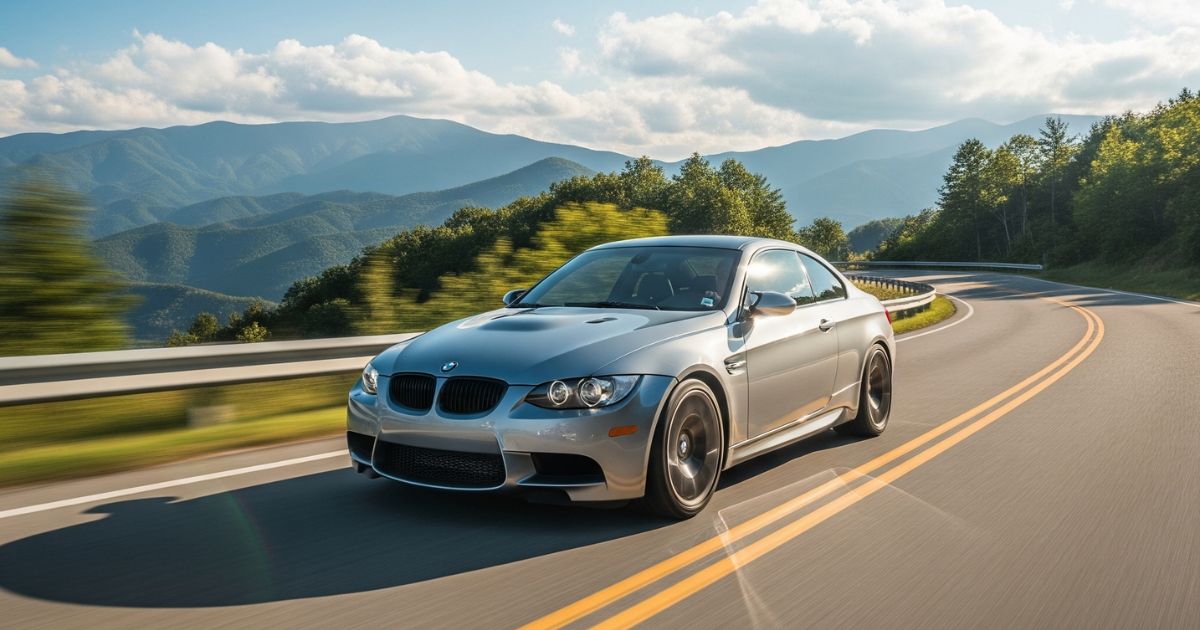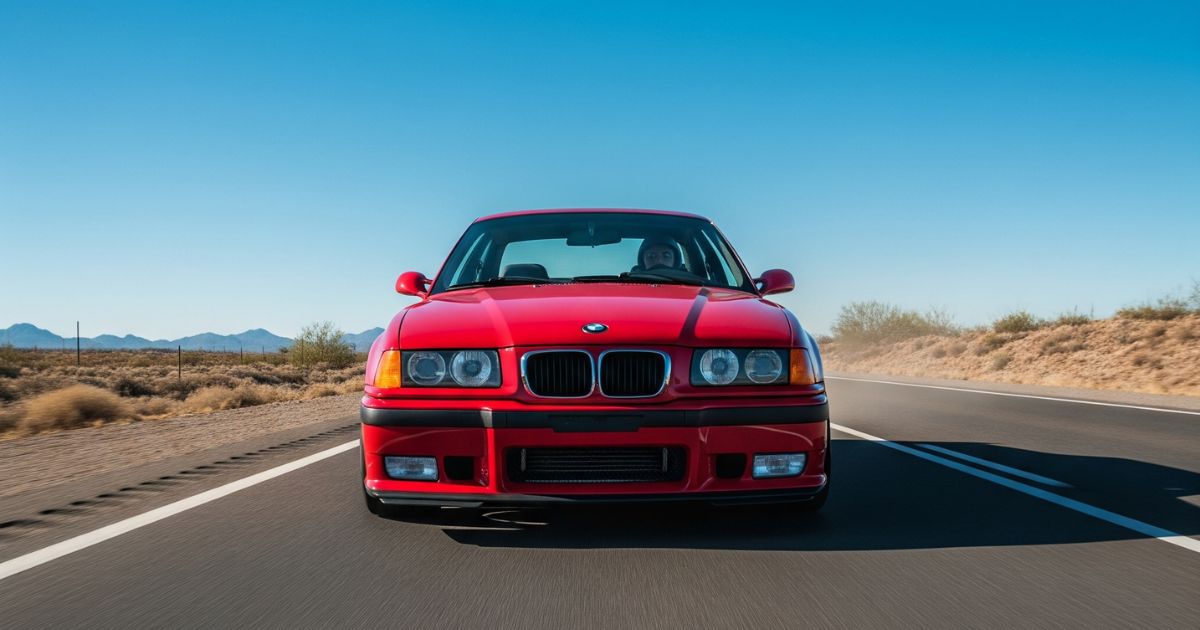
The BMW E36 M3, produced from 1992 to 1999, is the car that transformed the M3 from a high-strung homologation special into a refined, everyday athlete. It was the first M3 to use an inline-six engine, a configuration that has since become synonymous with what a BMW should feel like, and it delivered a balance of steering, chassis, and mechanical engagement that modern, electronically insulated cars genuinely cannot replicate.
In 2026, the E36 M3 has arrived as a serious collector car. Values on clean, documented examples are climbing, the enthusiast community is deeply knowledgeable, and the gap between a well-maintained car and a neglected one is significant. Here is what you need to know before buying one.
The Lineup: Body Styles and What They Mean for Value
The E36 M3 was offered in three body styles: a two-door coupe, a four-door sedan, and a convertible. The coupe is the most common. The sedan is uncommon in the US market and increasingly sought after for its combination of practicality and rarity. The convertible is the least structurally rigid of the three and the least collectible at current prices.
All three share the same fundamental chassis, the E36's famous 50/50 weight distribution and Z-axle multi-link rear suspension, but the coupe and sedan are the cars serious buyers gravitate toward.
US-Spec vs. Euro-Spec: The Engine Divide That Defines the Car
The most consequential technical difference in E36 M3 history is the gap between what North American and European buyers received under the hood.
US market cars came with detuned versions of BMW's standard M engines. The 1995 S50B30US produces 240 horsepower from 3.0 liters through a single throttle body. The 1996–1999 S52B32 displaces 3.2 liters, maintains 240 horsepower, and adds meaningful torque, 236 lb-ft versus the earlier car's figures. The S52 is OBD-II compliant and friendlier for daily driving. The S50 is OBD-I and favored by tuners.
European market cars received genuinely different engines. The S50B30 produces 286 horsepower with forged internals and six individual throttle bodies. The S50B32, the ultimate Euro E36 engine, produces 321 horsepower, introduced Dual-VANOS variable timing on both intake and exhaust cams, and came paired with a six-speed manual. These are significantly more capable engines and priced accordingly in the collector market.
If you are buying a Euro-spec car imported to the US, verify the engine specification carefully and ensure compliance with any applicable emissions regulations in your state.
Engine Vulnerabilities: What to Check Before You Buy
The oil pump nut is the most serious mechanical concern on US-spec engines. The nut securing the oil pump sprocket can vibrate loose, particularly on cars that have seen high RPM or track use, leading to immediate oil pressure loss and engine destruction. Safety wiring or welding the nut is a well-established preventative fix. Documentation that this has been addressed is a meaningful value-add on any US-spec car.
VANOS rattle is extremely common and sounds exactly like a can of marbles at cold start. It rarely causes catastrophic failure on its own, but it indicates worn seals and bearings that affect power delivery and should be addressed. Budget for a VANOS rebuild if the car you are looking at hasn't had one.
The cooling system is the E36's most consistent maintenance liability. BMW used plastic for the radiator end tanks, thermostat housing, and water pump impeller, components that become brittle with age and heat cycles. A full cooling system overhaul using metal replacement components is recommended every 60,000 miles. Look for documentation of this service; a car with original plastic cooling components and significant mileage is carrying a known upcoming failure.
Chassis: The Issues That Need Addressing
Rear trailing arm bushings (RTABs) are the most commonly discussed suspension wear item on the E36. When they fail, the rear of the car feels unsettled or wandering under acceleration. Polyurethane replacements or RTAB limiters are standard enthusiast fixes and their installation should be documented.
Rear subframe mounting points are a more serious structural concern. The sheet metal where the subframe bolts to the body can crack under stress, this is a genuine structural failure, not a wear item. Quality examples often have reinforcement plates welded into these areas. Inspect carefully, particularly on cars with track history or high mileage.
Rear shock mounts can tear through the thin sheet metal of the trunk floor. Heavy-duty mounts and reinforcement plates are the correct fix. Check the trunk floor carefully during your inspection.
Body and Rust: Where to Look
The E36 bodywork is susceptible to rust in specific, predictable locations. Inspect the rocker panels, the base of the jack points, the bottom of the doors, and the area around the trunk lock. Front fenders rust where they meet the side skirts due to trapped debris, a common location that is easy to miss on a quick walkaround.
Rubber seals around the rear windows and door handles crack and disintegrate with age. Replacement parts exist but installation is labor-intensive. Factor the condition of the weatherstripping into your overall assessment.
Interior: What to Expect
The iconic Vader seats, high-back sport seats found in the coupes, are among the most desirable interiors in the E36 lineup. The Nappa leather bolsters wear heavily, and the seat adjustment gears (plastic) break over time. Check that both seats adjust fully through their range of motion.
Headliner sag is nearly universal on E36s of this age. The factory adhesive fails and the headliner drops, it requires professional reupholstering to fix properly. Budget for it if the car hasn't had it done.
The 18-button OBC and climate control screens lose pixels or fail entirely with age. Functioning units are worth noting in your evaluation; failed units are a nuisance but not a dealbreaker.
What the Service History Should Show
A well-maintained E36 M3 service history should document:
The Market in 2026: What Drives Value
The E36 M3 market distinguishes clearly between driver-grade cars and collector-grade examples.
The Lightweight (LTW) is the crown jewel of US-spec E36 M3 production, only 126 units built, all in Alpine White with checkered graphics and significant weight reduction over the standard car. These are in a different market tier entirely and appreciating accordingly.
Desirable colors command real premiums. Estoril Blue, Techno Violet, and Dakar Yellow are the colors serious collectors seek. Arctic Silver and Cosmos Black are more common and price accordingly.
Transmission choice matters significantly. Five-speed manual cars are substantially more valuable than automatic-equipped examples. Automatics have stagnant values and limited buyer interest in the enthusiast market.
Manual sedans occupy an interesting position, uncommon enough to be genuinely sought after, practical enough to attract buyers who want to use the car regularly.
Frequently Asked Questions
Is the BMW E36 M3 reliable enough for daily driving in 2026?
With a properly refreshed cooling system, addressed oil pump nut, and current suspension components, yes. The E36 M3 is not a fragile car, it is a car that requires proactive maintenance on known failure points. Owners who address these items find it genuinely usable. Owners who defer them find it expensive.
What is the difference between the US-spec and Euro-spec E36 M3 in practical terms?
The Euro cars produce significantly more power, 286 or 321 horsepower versus 240, through individual throttle bodies and more aggressive engine tuning. They also came with six-speed gearboxes on later models. The driving experience is noticeably different. Euro-spec cars command a premium, but importing and registering them in emissions-strict US states requires research.
What should I prioritize in a pre-purchase inspection for an E36 M3?
Cooling system condition, rear subframe integrity, and oil pump nut status on US-spec cars. These are the three areas most likely to represent significant near-term expense or structural concern on a car that has not been properly maintained.