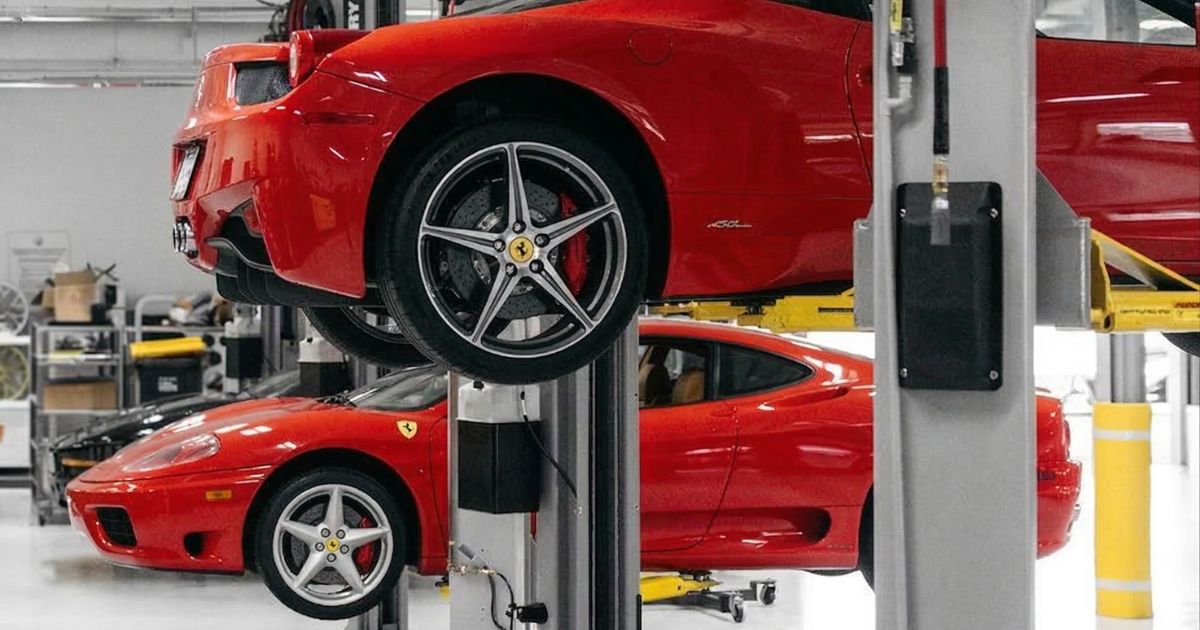
Ferrari buyers conduct more thorough pre-purchase due diligence than buyers of almost any other car. At the price points involved, that scrutiny is rational. If you are selling a Ferrari, understanding what buyers look for and having the documentation ready is not optional, it is the difference between a smooth transaction and a months-long negotiation or a failed sale.
Why Ferrari Documentation Is Different
Ferraris have model-specific maintenance requirements, most notably major service intervals involving timing belts, clutches, and fluid systems, that are expensive, safety-critical, and immediately questioned by buyers.
The documentation that matters most varies by model, but the underlying principle is consistent: buyers need to know that the car has been maintained according to Ferrari's specifications, by qualified technicians, at appropriate intervals.
Major Service Documentation
Timing belt service is the most scrutinized item for most modern Ferraris. The belts are a safety-critical component with a defined replacement interval, typically around five years or a specific mileage, whichever comes first. A Ferrari with an overdue or undocumented timing belt service is a liability for any buyer.
Documentation should include the invoice from the service, the date and mileage, the name of the shop or dealer, and confirmation of which components were replaced (belts, tensioners, pulleys).
Clutch service history for manual and F1 paddle-shift gearbox cars. F1 transmission clutch replacement is expensive; buyers want to know where it stands. Document every clutch-related service including hydraulic bleeding records.
Annual or scheduled major services per Ferrari's maintenance schedule. These are typically expensive services performed by Ferrari dealers or authorized specialists. The invoices are significant documents, keep them all.
Model-Specific Items
360 Modena and 430 Berlinetta/Spider: F1 gearbox pump and accumulator service records, IMS-adjacent awareness for buyers comparing to Porsche contemporaries, and Tubi or aftermarket modification documentation.
458 and later: High-voltage system records on hybrid variants, recall completion documentation, and any software update records from Ferrari dealers.
Older classics (308, 328, 348, 355): Engine-out services are expensive and required on these models. Documentation of who performed the work and what was found during the service is central to the transaction.
What Buyers Will Verify
Sophisticated Ferrari buyers will contact the shops listed on your invoices to verify the work was performed. They will cross-reference mileage across all documents. They will check whether the belt service interval has been observed based on the current mileage and date.
This verification process is normal and expected. Sellers who welcome it, because they have nothing to hide, close faster and at better prices than sellers who are vague or defensive about documentation.
Building Your Ferrari Archive
Compile every invoice from every service, regardless of age. Contact your Ferrari dealer or specialist for copies of records they hold on file. If a car has had prior owners, request whatever documentation they can provide at the time of purchase.
Upload everything to AutoArchive in chronological order. Reference the archive in your listing prominently. The buyers who are most likely to pay what a well-maintained Ferrari is worth are exactly the buyers who will check the documentation first.
Frequently Asked Questions
Is Ferrari dealer service history more valuable than independent specialist service?
Dealer history is valued by buyers who want continuity with the brand, but independent Ferrari specialists with established reputations are often equally credible, and sometimes preferred for older models where the dealers have less familiarity. What matters is documented, professional service at appropriate intervals.
What is the cost of a Ferrari timing belt service not being documented?
At minimum, it creates significant buyer hesitation and price negotiation pressure. At worst, if the belt is overdue and fails, the engine can be destroyed. Buyers factor both the financial and mechanical risk into their offers.
How do I document a Ferrari I purchased without complete records?
Have the car inspected by a recognized Ferrari specialist who can assess the current condition of the belt, clutch, and major systems and provide a written report. This does not replace prior service history but establishes a credible baseline for a new ownership chapter.