Porsches are among the most rewarding enthusiast cars to own, and among the most expensive to maintain when they have been neglected. The difference between a sound purchase and a money pit often comes down to how thoroughly you vet the car before signing.
This checklist covers the due diligence process for buying a used Porsche across the most popular models: 996/997/992 Carrera, Cayman/Boxster, and 993.
Step One: Research Model-Specific Issues
Every Porsche generation has specific known issues. Buying without understanding them is how buyers end up with expensive surprises. Key items by model:
996 Carrera (1999–2004): Intermediate shaft (IMS) bearing failure is the primary concern. The early single-row bearing is higher risk than the later dual-row unit. Rear main seal leaks are extremely common. RMS and IMS bearing replacement, often performed together, is a major service. Confirm documentation of this work or budget for it.
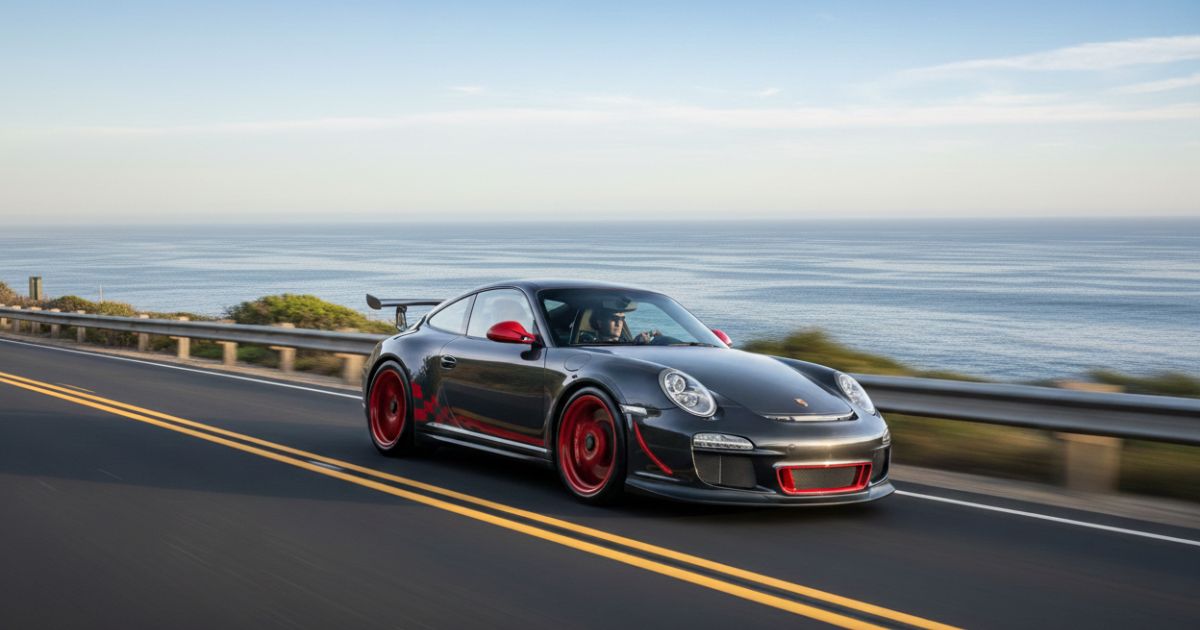
997.1 Carrera (2005–2008): IMS bearing concern is present but less severe than the 996. Bore scoring (cylinder wall scoring) affects some M97 engines and is expensive to repair. A compression and leak-down test is essential.
997.2 Carrera (2009–2012): Direct injection (DFI) engines require attention to carbon buildup on intake valves. Confirm walnut blasting or equivalent service has been performed at appropriate intervals.
Boxster/Cayman (986/987): IMS bearing concern shared with contemporary 911s. M96/M97 engine reliability concerns apply. Rear main seal leaks are common.
993 Carrera (1994–1998): Oil cooler and heat exchanger maintenance is essential on air-cooled motors. No IMS concern. Engine rebuild documentation is the most important single document.
Step Two: Review Service Documentation
Request every service record available before committing to an in-person inspection. Evaluate:
If the seller cannot produce service records, or if the records have gaps that cannot be explained, factor that into your offer or walk away.
Step Three: Commission an Independent PPI
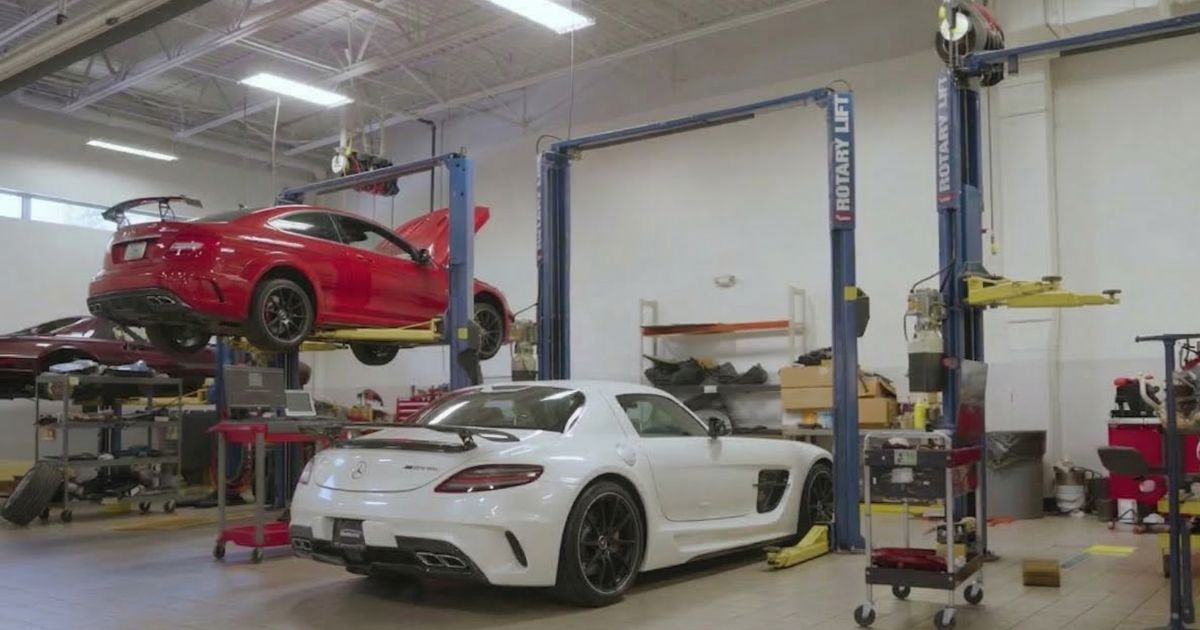
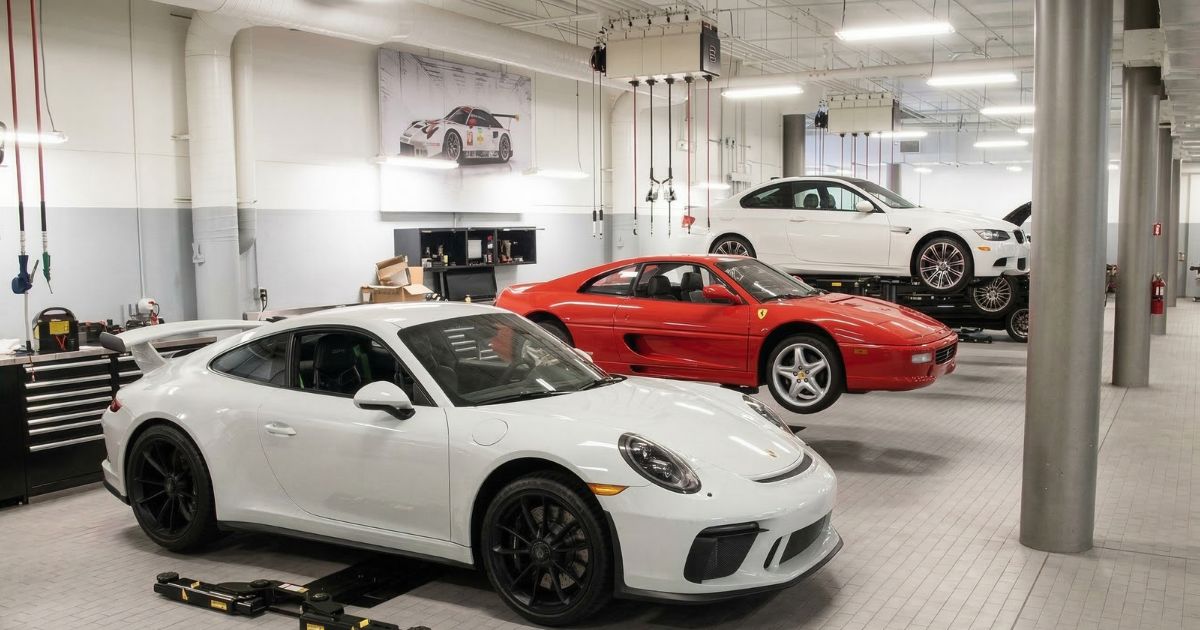
A pre-purchase inspection by a Porsche independent specialist, not a dealer, not a general mechanic, is non-negotiable for any Porsche purchase above approximately $20,000. For 993s and desirable 997s at current values, it is essential regardless of how clean the car presents.
Insist on compression and leak-down testing, paint thickness measurements at every panel, an undercarriage inspection, and a full electronic fault code scan.
Step Four: Verify Ownership and Title History
Run a VIN history report to check for branded titles, reported accidents, and the number of prior owners. Cross-reference the ownership history the seller describes against what the title report shows.
Step Five: Ask the Right Questions
Watch for hesitation, inconsistency, and answers that do not match the documentation.
Frequently Asked Questions
Should I buy a 996 Porsche given the IMS bearing reputation?
The IMS issue is manageable with due diligence. Buy a car where the IMS has been replaced (documented), or budget for the service after purchase and negotiate the price accordingly. Avoid buying a 996 without addressing the IMS on the assumption that it will be fine.
Is dealer service history important for Porsches?
It is one data point, but independent specialist service by a qualified Porsche shop is often preferable to dealer service for older models. What matters is documentation of correct, professional service, not the brand on the letterhead.
What is the most expensive undisclosed issue to find after buying a Porsche?
Engine damage from IMS bearing failure or bore scoring can run $15,000–$30,000 to repair. These are the surprises that a thorough PPI is specifically designed to catch.