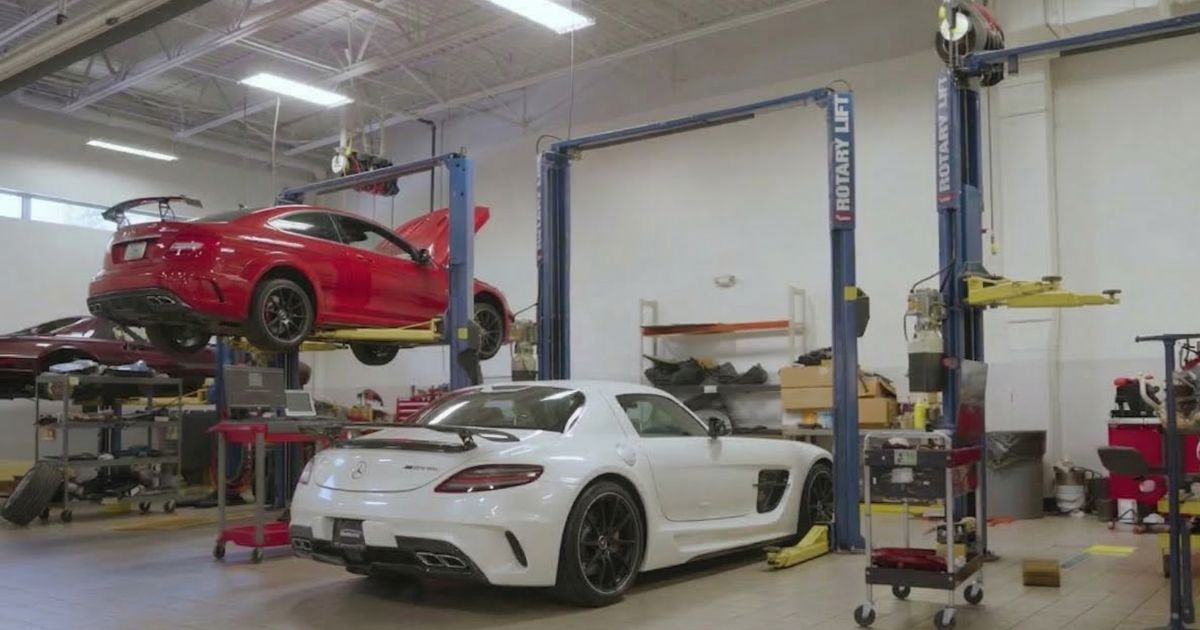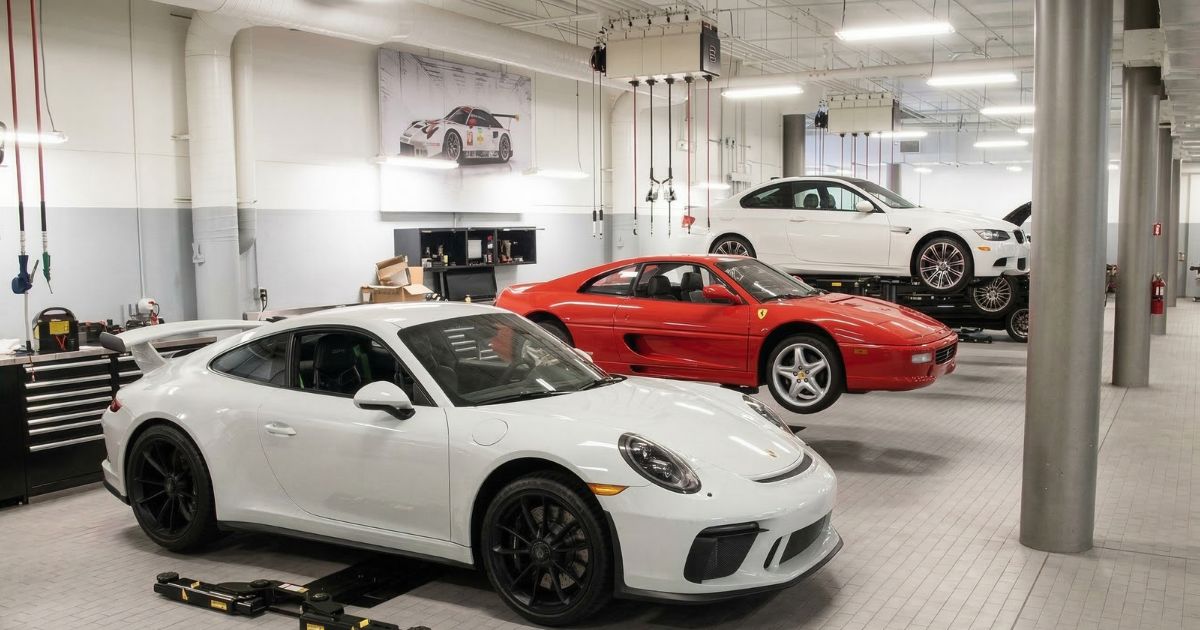
A pre-purchase inspection, commonly abbreviated as PPI, is an independent mechanical evaluation of a used car commissioned by the buyer before completing a transaction. For enthusiast and collector cars, it is the single most important step in the buying process.
It is also the step that buyers most commonly skip. The consequences of skipping it can be expensive.
What a Pre-Purchase Inspection Is
A PPI is performed by a mechanic or shop of the buyer's choosing, not the seller's, who examines the car on a lift and produces a written report of findings. A good PPI covers mechanical condition, electrical systems, body and paint, fluid conditions, and any model-specific concerns.
The buyer pays for the inspection regardless of whether they proceed with the purchase. This is normal and appropriate, the cost is modest compared to the risk of buying a car with undisclosed problems.
How to Commission a PPI
Choose your own inspector. Never use a shop recommended by the seller, and never rely on the seller's own inspection. The value of a PPI is its independence.
Use a specialist when possible. For a Porsche, find a Porsche independent specialist. For a Ferrari, find a Ferrari specialist. General mechanics can identify obvious problems, but model-specific knowledge catches the issues that matter most, and the ones sellers are most likely to have obscured.
Arrange inspection in advance. Contact the inspector before you are ready to buy. Good shops have scheduling lead times. Build the inspection into your timeline from the start.
Request a written report with photographs. A verbal summary is not sufficient. You want a documented record of findings that you can review carefully and return to later.
What a Good PPI Should Cover
Mechanical systems: Engine compression and leak-down testing, oil analysis if possible, cooling system pressure test, brake condition, suspension component inspection, driveshaft and differential inspection.
Electrical systems: Scan for stored fault codes, test all electrical components including windows, climate, lights, and any model-specific electronics.
Body and paint: Paint thickness measurements at every panel to identify prior repairs and repaints. Visual inspection for accident damage, rust, and improper repairs.
Undercarriage: Frame and structural inspection, exhaust condition, subframe condition (critical on E90/E92 BMWs), evidence of prior damage.
Model-specific items: Rod bearings for S65 BMWs, timing belt condition for Ferraris and some Porsches, IMS bearing for early 996/997 Porsches, known failure points specific to the car in question.
Using PPI Findings
A PPI report has two uses: it tells you whether to buy the car, and if you proceed, it gives you the basis for price negotiation on any issues found.
If the PPI reveals significant undisclosed problems, you have three options: walk away, negotiate a price reduction that accounts for the cost of repairs, or require the seller to address the issues before closing. Which is appropriate depends on the severity of the findings and whether the seller appears to have known about the problems.
A clean PPI, once the car is yours, is also a valuable document in your own service archive, proof of the car's condition at the moment you took ownership.
Frequently Asked Questions
How much does a pre-purchase inspection cost?
Costs vary by location and specialist, but a thorough PPI typically runs $200–$500 for most cars. For Ferraris and other exotics, the cost can be higher. In all cases, the cost is negligible relative to the purchase price and the potential cost of undisclosed problems.
Can I trust a PPI if I cannot be present?
Yes. Good inspectors produce detailed written reports with photographs that communicate findings clearly. Remote buyers commonly proceed on the strength of a PPI they were not present for. Choosing a reputable, independent inspector is more important than being physically present.
Does a clean PPI mean I do not need to review the service history?
No. A PPI tells you about the car's current condition. Service history tells you how it got there. Both are necessary for a complete picture. A car that is currently in good condition but has no documented maintenance history could be concealing a troubled past that will manifest in future failures.