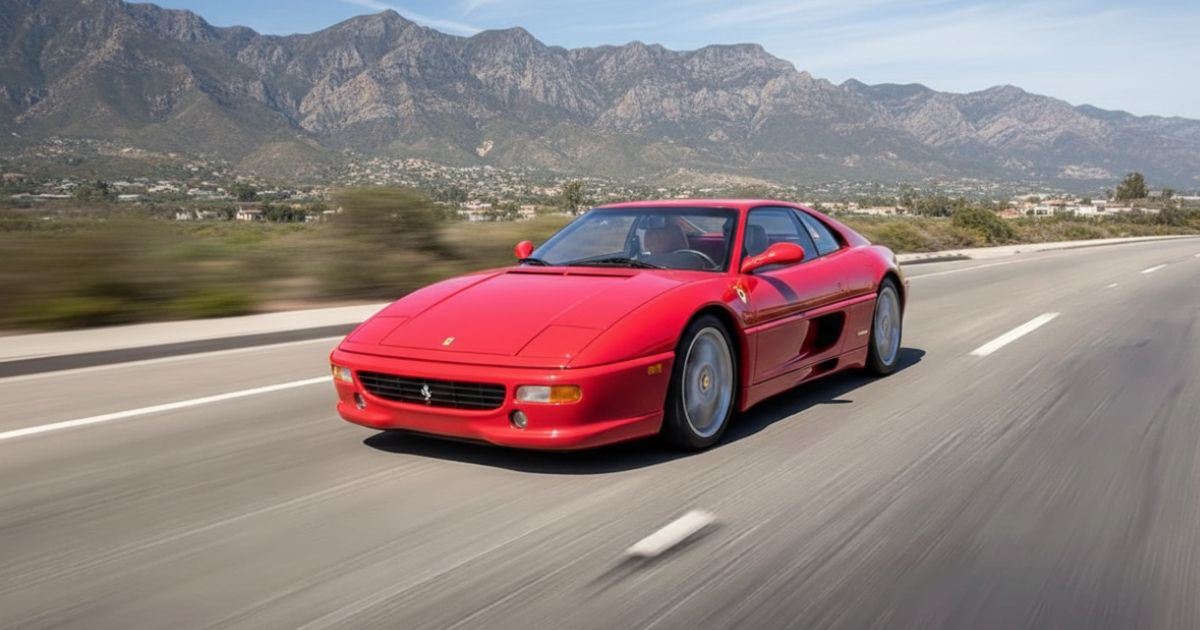
The Ferrari F355, produced between 1994 and 1999, is widely regarded as the first modern Ferrari supercar. It succeeded the 348 and introduced a level of refinement, advanced aerodynamics, electronic damping, Formula 1-derived technology in a road car, that changed what a mid-engine Ferrari could be. The five-valve-per-cylinder engine remains one of the most sonically rewarding powerplants ever fitted to a road car.
In 2026, the F355 has matured into a genuine blue-chip collectible. Values are stable and appreciating, the enthusiast community is deeply knowledgeable, and the gap between a well-documented example and a neglected one is wider than ever. If you are seriously considering buying one, here is what you need to understand.
The Lineup: Three Body Styles, One Powertrain
The F355 came in three configurations. The Berlinetta is the fixed-roof coupe, maximum structural rigidity and the purest driving experience. The GTS offers a removable targa top without sacrificing the coupe silhouette. The Spider features a fully powered soft top for traditional open-air driving.
All three share the same engine and drivetrain. The body style you choose affects your ownership experience and your resale value in different ways, more on that below.
The F129 V8: What Makes It Special and What Makes It Fragile
The F355 is powered by a 3.5-liter 90-degree V8 producing 375 horsepower at 8,250 RPM. The five-valve-per-cylinder configuration, three intake, two exhaust, allows for exceptional high-RPM breathing and produces the distinctive high-pitched wail that defines the car's character.
It is also an engine that punishes neglect severely.
Bronze valve guides are the first thing to investigate on any early car, particularly 1995 models. These wear prematurely, leading to oil consumption and potential engine damage. Later cars switched to steel guides. A compression and leak-down test during your PPI is mandatory, there is no negotiating this point.
Exhaust headers are a chronic failure point. The factory heat shields trap excessive heat, cracking the headers over time. A cracked header allows cold air to be ingested back into the engine, which destroys the catalytic converters and, if left unaddressed, the engine itself. Look for receipts showing aftermarket stainless steel headers from suppliers like Tubi or Capristo, or documented replacement of factory units.
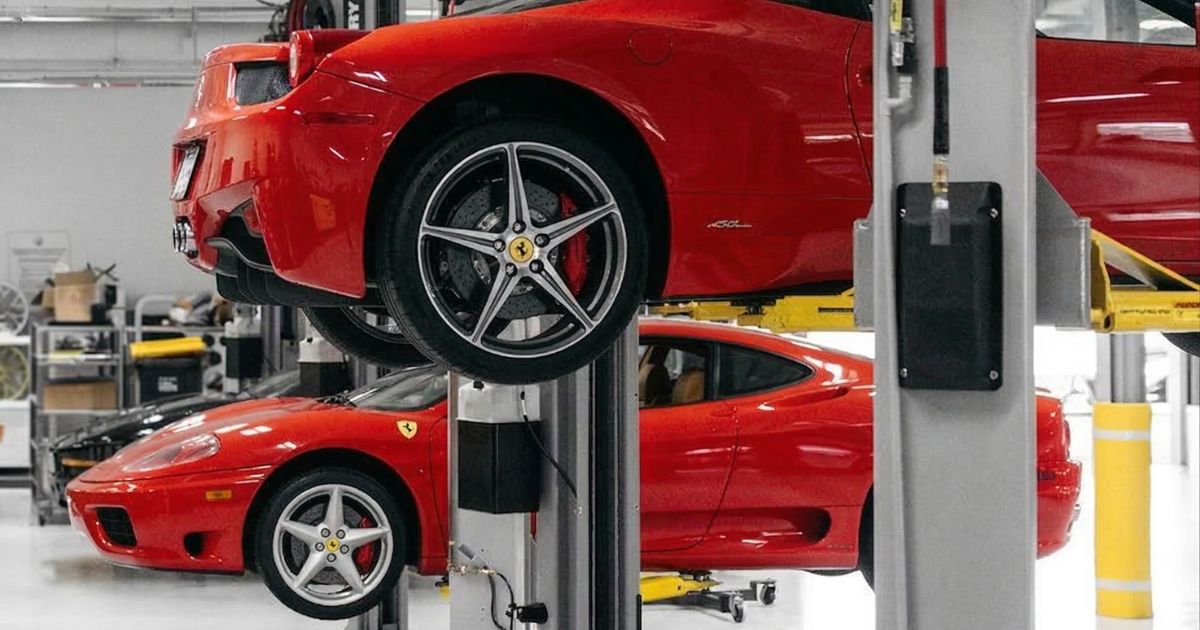
The engine-out major service is the defining maintenance event of F355 ownership. The timing belts require replacement every three to five years, and due to the tight packaging, the entire engine and subframe must be dropped from the car to access them. This is the primary cost driver of ownership, and the first thing you verify in any service binder. If it is not current, walk away or price it into your offer immediately.
Chassis and Suspension: What to Inspect
The F355 introduced electronic damping with Comfort and Sport modes adjusting the Bilstein shocks in real time. It was advanced for its era and mostly robust, but with specific failure points.
Suspension actuators mounted atop the shocks are prone to gear failure. A warning light on the dash is typically the first sign. The actuators are available and repairable, but document their status during the PPI.
ABS control units on the ATE four-piston brake system can fail and are expensive to rebuild. Verify the ABS is functioning correctly before purchase.
Magnesium wheels, standard equipment, are lightweight but susceptible to cracking from harsh impacts or improper tire mounting. Inspect carefully for hairline cracks, particularly around the bead seat.
Body Inspection: The Issues That Keep Coming Back
Buttress cracks are the most common body issue on Berlinetta and GTS models, cracking at the seam where the rear C-pillar meets the quarter panel. This is caused by chassis flex and thermal expansion. Even properly repaired buttress cracks have a tendency to return. It is not necessarily a deal-breaker, but it needs to be disclosed and factored into your evaluation.
Spider top hydraulics deserve close attention on convertible cars. The system is complex, leaks in the rams or failure of the main pump are common and costly. The seats must also move forward automatically for the top to operate, and failed seat potentiometers can disable the roof mechanism entirely. Cycle the top multiple times during your inspection.
Corrosion on door sills and around the rear window is worth checking carefully, particularly on cars from coastal or humid climates.
Interior: Sticky Buttons and Dashboard Shrinkage
The F355 cabin is classic Italian, Connolly leather, clean aluminum, genuinely beautiful. It also shares the material defect common to Ferraris of this era.
The soft-touch coating on interior switches and trim degrades over time into a sticky black residue. It affects virtually every car of this generation eventually. Professional restoration is the only permanent solution, budget for it if the car you are looking at has not had it addressed.
Dashboard leather around the vents and passenger airbag cover can shrink and pull away from UV exposure. Check carefully on any car that has lived in a warm climate.
The HVAC control unit is a known failure point. If the climate control is unresponsive or displaying erratic temperatures, it typically requires an internal rebuild.
What the Service History Must Show
An F355 without a proper service binder is a liability, full stop. The service history should document:
The Market in 2026: What Drives Value
The F355 market is mature and the value drivers are well understood.
The manual premium is absolute. A gated manual Berlinetta commands a 40–60% premium over an equivalent F1 car. This gap has held and widened consistently. If you want the purest driving experience and the strongest appreciation trajectory, the manual Berlinetta is the car to find.
The Serie Fiorano Spider, only 100 produced, with Challenge-spec handling components, is the ultimate prize for Spider collectors. Of those 100, only 26 were delivered with manual gearboxes. Those cars are among the most valuable F355s in existence.
F1 transmission cars are the most accessible entry point into F355 ownership and carry higher ongoing maintenance costs for the clutch system. Less desirable to driving purists, but still a genuinely special car to own.
Color matters. Rare colors like Blu Pozzi and Grigio Titanio are leading value growth among serious collectors. Rosso Corsa remains the most liquid combination for sellers who want broad market appeal.
The oldest and most important truth about F355 ownership: a cheap F355 is almost always the most expensive one you will ever own. Buy the best-documented example you can afford.
Frequently Asked Questions
How often does the F355 need its timing belts replaced?
Every three to five years regardless of mileage. This is not a mileage-based interval, it is time-based, because the belts degrade from heat cycles and age. The engine-out service required to access them typically costs $5,000–$10,000 in labor alone depending on the shop. If it is not current on a car you are evaluating, treat it as an immediate expense.
Is the F355 reliable enough to use as a regular driver?
With proper maintenance and a current major service, yes, more so than its reputation suggests. The cars that develop serious problems are almost always ones that have been stored for extended periods without fluid maintenance, or ones where the major service was deferred. Regular use, combined with attentive ownership, keeps an F355 in better shape than garage storage.
What is the most important single document in an F355 service history?
The engine-out timing belt service invoice. It tells you when the service was done, who did it, and what was found during the process. Everything else in the service history is secondary to this.