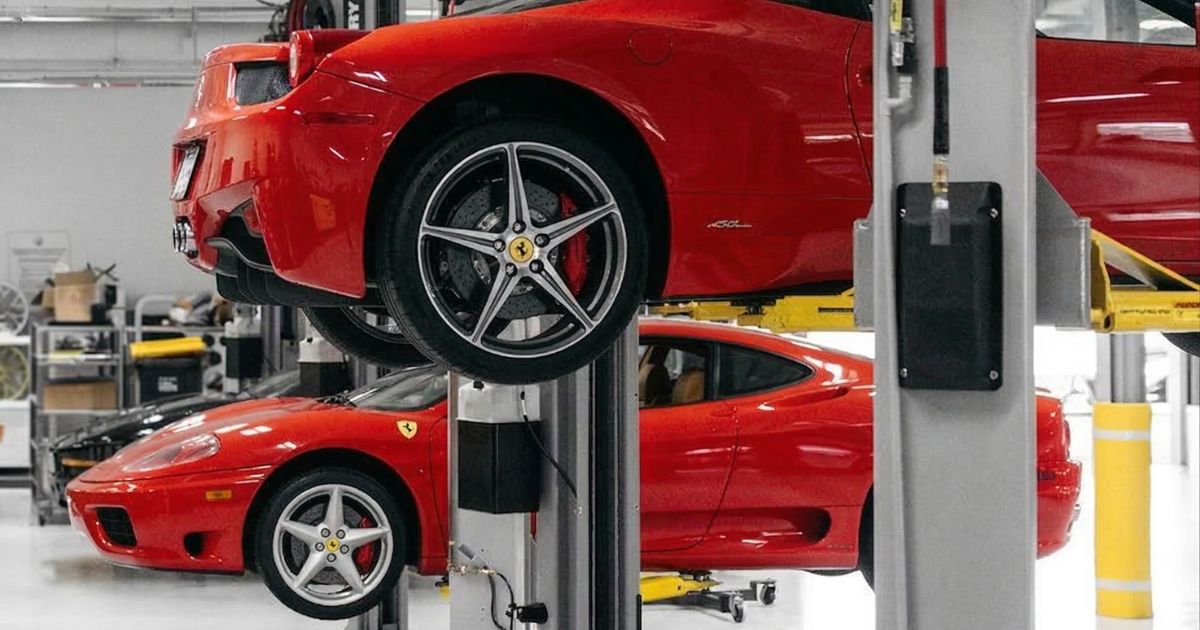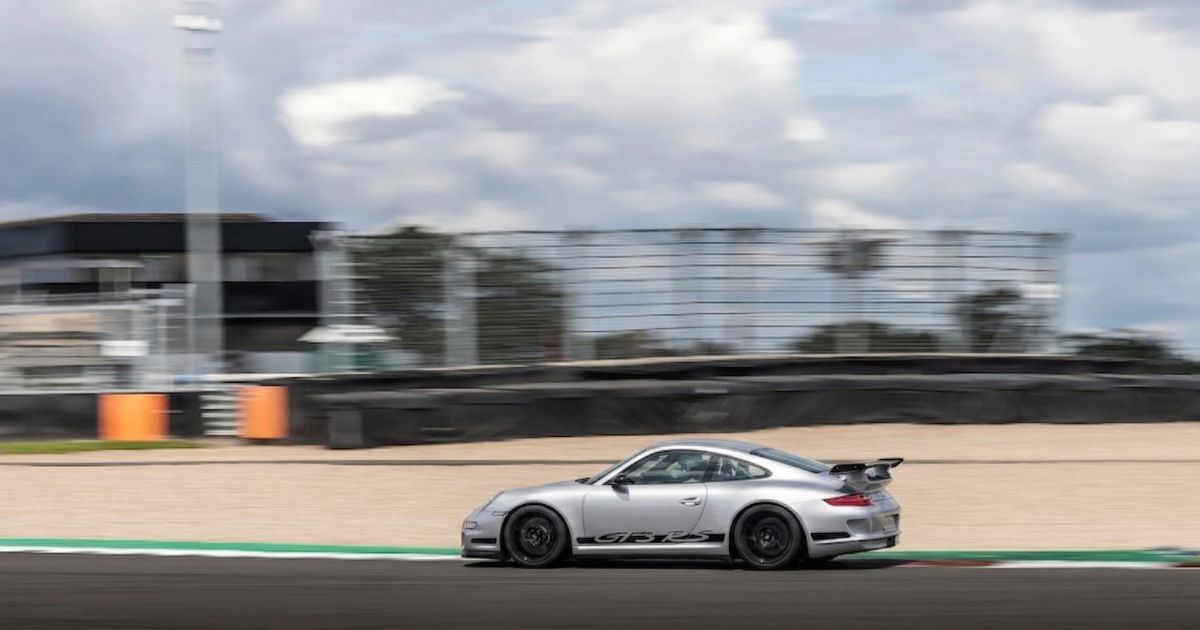
"Has this car been tracked?" is one of the most common questions buyers ask when evaluating an enthusiast car, and one of the most fraught for sellers to answer. Track use is not inherently a problem. Undisclosed track use, or tracked cars with no supporting documentation, is a serious red flag.
The solution is the same as it is for every other aspect of car history: document everything.
Why Track Use Without Documentation Is a Problem
Track use places higher demands on brakes, tires, fluids, cooling systems, and suspension than street driving. This is not a secret, and buyers who ask whether a car has been tracked are asking because they want to know whether those demands have been addressed.
A tracked car with complete documentation, event logbooks, pre- and post-event inspections, consumable replacement records, fluid change records, tells a story of careful, responsible track use. Buyers who understand cars understand that a well-maintained track car can be in better overall condition than a neglected street car.
A tracked car with no documentation, or a seller who is evasive about track use, creates exactly the uncertainty that suppresses prices and kills deals.
What to Document for Track Use
Event logbook. Record every track event you attend: the date, the event organization, the venue, the number of sessions run, and the conditions. This baseline log establishes the track use history honestly and demonstrates that you were systematic about it.
Pre-event inspection. Before each track day, inspect or have inspected: brake pad thickness and rotor condition, tire tread and condition, all fluid levels, wheel bearing condition, and any known items to monitor. Document what you found and what was replaced.
Post-event inspection. After each track day, perform the same check and note anything that changed during the event. Brake pad wear, fluid conditions, any new noises or handling changes. Document and address.
Consumable replacement records. Track-specific brake pad sets, track tires or track tire usage notes, brake fluid changes (track drivers typically flush to fresh DOT 4 or 5.1 before and after events), and any additional oil consumption notes.
Cooling system and drivetrain checks. Coolant condition, oil analysis if you perform it, differential and gearbox fluid condition if changed on track preparation intervals.
How Documentation Changes the Buyer Conversation
When a buyer asks "has this car been tracked?" and your answer is "yes, here is the complete event logbook and every pre- and post-event inspection," the conversation changes entirely.
You are no longer a seller with something to hide. You are a seller who tracked their car responsibly, documented it meticulously, and maintained it properly throughout. That profile, responsible enthusiast, systematic documenter, is one that sophisticated buyers trust.
AutoArchive supports this by letting you upload event logs, inspection reports, and maintenance records tied to track use alongside your standard service history. Buyers see a coherent picture of an enthusiast who managed their car's track life as seriously as its street life.
Frequently Asked Questions
Will disclosing track use lower my car's sale price?
In some cases, buyers will adjust their offers downward for track use regardless of documentation. However, undisclosed track use discovered by a buyer, through physical inspection or a knowing question, causes significantly more damage to the transaction than honest disclosure with documentation.
What if I attended one or two events and the car has not been back to the track?
Disclose it. Note that the car attended X events in Y year and has not been tracked since. If you have any documentation from those events, include it. Sellers who proactively disclose limited track history with supporting documentation are far more credible than those who claim no track use and are later found out.
Is HPDE use the same as racing for disclosure purposes?
HPDE (High Performance Driver Education) events are track days with no direct competition. Many buyers treat them differently from time-attack or racing events. Disclose the type of event accurately, "HPDE, no passing, passenger-side run days" is a different answer than "competitive time trials."