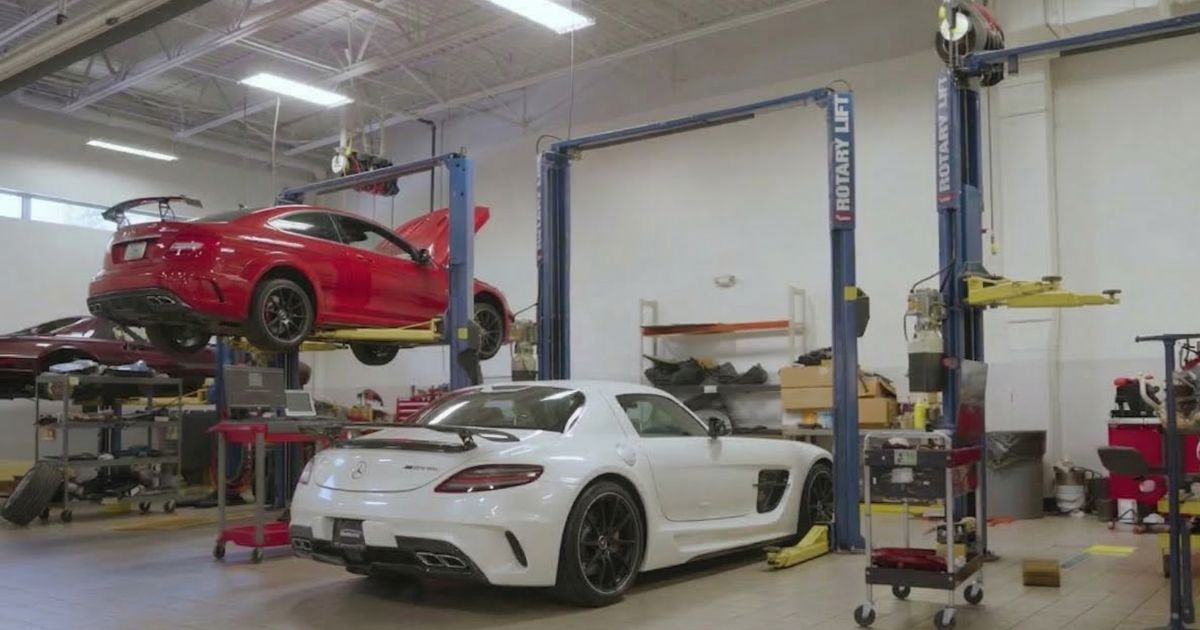
The pre-purchase inspection told you what you were buying. The first service after purchase is where you take responsibility for what comes next. Done correctly, it accomplishes several things at once: it addresses any items the PPI flagged, establishes a fresh baseline for all consumable components, and creates the opening entry in your service archive as the new owner.
Here is what it should include.
Start With a Fresh Oil Change and Analysis
Regardless of when the previous owner last changed the oil, change it yourself at the first service. This gives you a known starting point for oil condition and interval, and it gives you an opportunity to collect a used oil sample for analysis before the drain.
That used oil sample tells you about what has been happening in the engine during the prior owner's tenure. Send it to Blackstone or a similar laboratory. The results become the first document in your archive and provide baseline wear metal data against which future samples can be compared.
Address Everything the PPI Flagged
Your pre-purchase inspection report identified items in various conditions. Some were urgent. Some were noted for monitoring. Some were items the seller addressed before closing.
The first service is when anything that was flagged as near-term becomes current-term. Do not defer items that the inspector recommended addressing soon. The cost of these services is typically factored into your purchase negotiation, and completing them promptly means your car is in the condition you paid for from the beginning of your ownership.
Replace All Fluids You Cannot Verify
If the service history does not clearly document recent fluid changes, replace them at the first service. This includes brake fluid, coolant, differential fluid, transmission fluid, and power steering fluid where applicable.
These are inexpensive services relative to the damage that degraded fluids can cause over time. A fresh set of fluids at a known mileage and date gives you a clean starting point and eliminates uncertainty about what was in the car when you bought it.
Inspect and Baseline All Wear Items
Document the current condition of all wear items even if they do not need immediate replacement. Brake pad thickness at each corner, rotor condition and measurements, tire tread depth at multiple points, belt condition, and hose condition should all be noted.
This baseline inspection serves two purposes. It tells you when these items will need replacement based on their current condition, and it gives you a documented starting point that establishes what the car was like when you took ownership. Future buyers will see that you took stock of the car's condition at the beginning and managed it attentively from that point.
Establish Your Service Interval Going Forward
Every car has specific service interval requirements, and high-performance cars often have intervals that are tighter than their owners realize. The first service is a good time to map out a service schedule based on the car's actual requirements rather than generic recommendations.
For a BMW S65 M3 this means 5,000-mile oil changes with 10W-60. For a Ferrari F355 this means a timing belt service date on the calendar regardless of mileage. For a Porsche 993 this means knowing when the heat exchanger was last serviced. Document your service plan alongside your first service entry so future records reflect intentional maintenance rather than reactive repairs.
Frequently Asked Questions
How soon after purchase should I do the first service?
Within the first 500 miles of ownership for a car that has been driven recently, or immediately before extended driving for a car coming out of storage. Do not put it off while you enjoy the car. The first service is what makes confident enjoyment possible.
Should I use the same shop the previous owner used?
Not necessarily. Use the shop that is most qualified to work on your specific car, whether that is the previous owner's shop or one you have researched independently. If the previous owner's shop has a strong reputation in the enthusiast community, continuing that relationship provides documentation continuity. If you are uncertain about the shop's qualifications, find a specialist you trust.
What if the car was just serviced before the sale?
Still perform an oil analysis using a sample from the fresh oil to establish your baseline. Verify all fluids are at correct levels and conditions. Document the current state of all wear items. Even a recently serviced car benefits from a systematic first-owner inspection that establishes what you inherited.