Buying your first enthusiast car, your first Porsche 911, your first BMW M3, your first Ferrari, is one of the more exciting things you can do with a significant amount of money. It is also one of the easier ways to make an expensive mistake if you do not know what you are doing.
This guide is for first-time buyers in the enthusiast market who want to do it correctly.
Start With Your Research, Not Your Emotions
Every desirable enthusiast car has a passionate community online. Before you visit a single car or contact a single seller, spend time on the forums, the Facebook groups, and the dedicated subreddits for your target model. You are looking for:
This research is not optional. It is the difference between buying confidently and discovering expensive surprises.
Set a Total Budget, Not Just a Purchase Budget
The sticker price is not the total cost of owning an enthusiast car. Your budget needs to include:
A car priced at $45,000 with $8,000 of deferred maintenance is a $53,000 car. Evaluate total cost, not just sticker.
Never Skip the Pre-Purchase Inspection
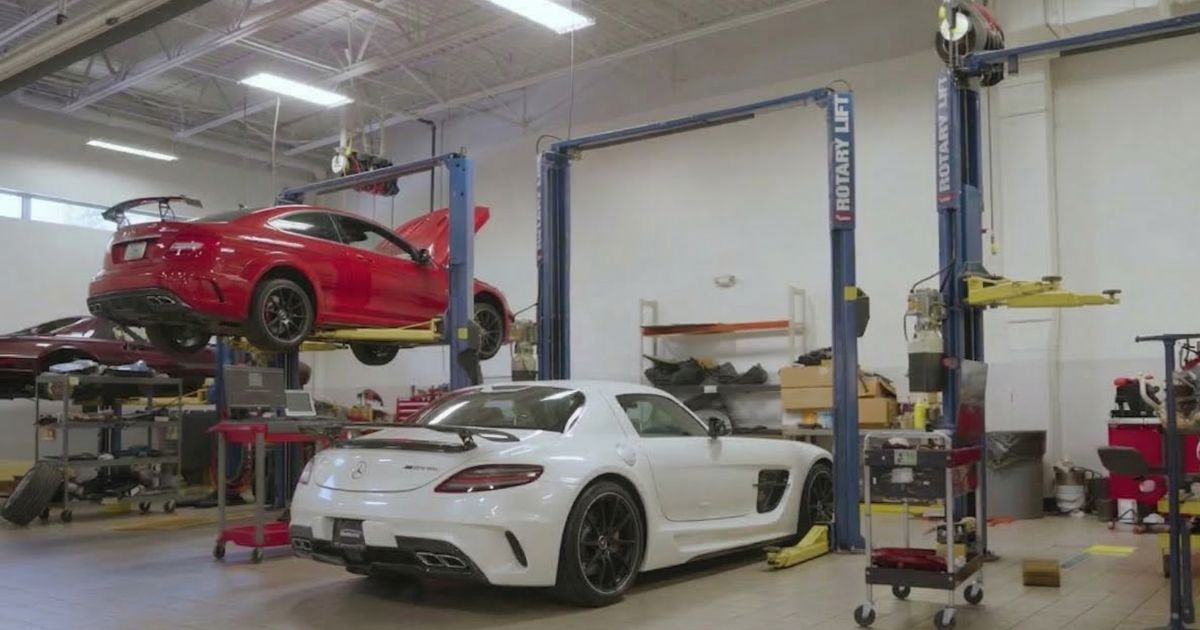
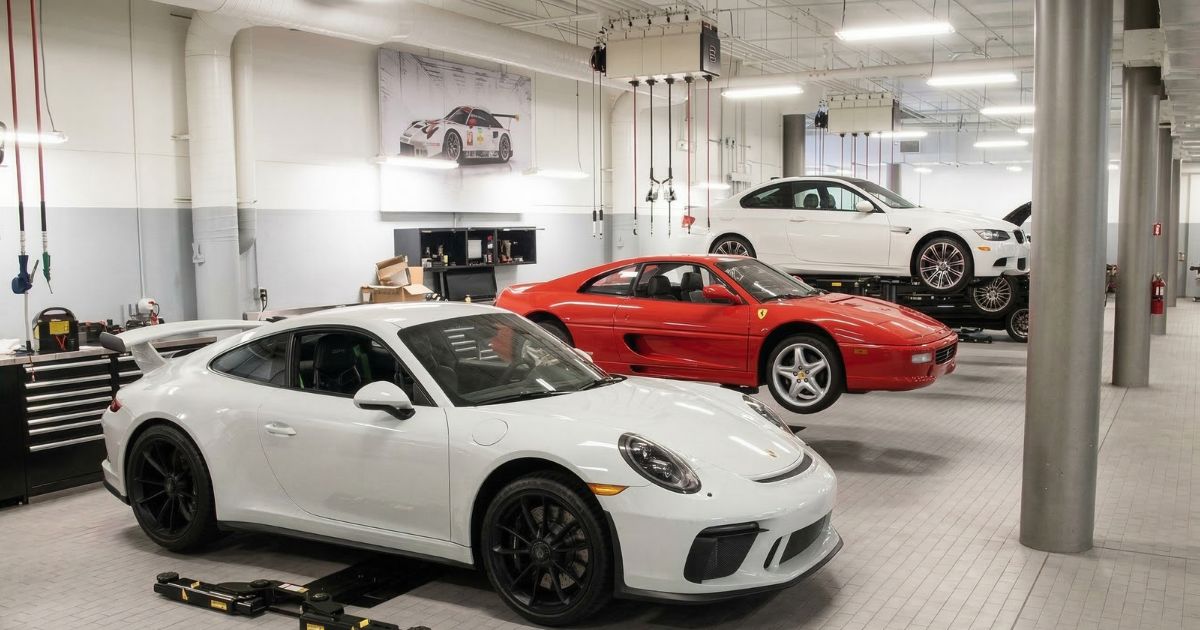
This is the single most important piece of advice in this guide. No matter how good the car looks, no matter how credible the seller seems, no matter how complete the service history appears, have the car independently inspected before you buy it.
Choose your own inspector. Use a specialist who knows your specific model. Request a written report with photographs.
The inspection costs a few hundred dollars. The problems it catches, when they exist, can cost tens of thousands.
Evaluating Service Documentation
Ask for all available service records before you visit the car. Review them before you commit to an inspection.
Look for: mileage consistency across all documents, documentation of model-specific maintenance requirements (rod bearings for S65 M3s, timing belt service for Ferraris, IMS documentation for 996/997 Porsches), service at recognized specialist shops, and oil service history with the correct specification.
Ask the seller to explain any gaps. A seller who is transparent about what they do not have is more credible than one who is vague.
An AutoArchive report from a seller is a positive signal, it demonstrates that they have done the work of organizing and verifying their documentation, and it gives you a platform to review it thoroughly.
Buying From a Private Seller vs. a Dealer
Both channels have advantages. Private sellers often know the car's history personally and can answer questions that a dealer cannot. Dealers typically provide a transaction process that is simpler and offer some degree of accountability.
For enthusiast cars at significant prices, the quality of the documentation matters more than the channel. A private seller with a complete, verifiable archive is preferable to a dealer offering vague assurances.
Frequently Asked Questions
What is the single most common mistake first-time enthusiast car buyers make?
Skipping or shortchanging the pre-purchase inspection. The excitement of a beautiful car and a motivated seller creates pressure to move quickly. Resist it.
Is it worth buying an enthusiast car with no service records?
Occasionally, for the right price. But as a first-time buyer in this market, buying your first car without records makes the already-complex due diligence process significantly harder. Your first purchase is not the one to take undocumented risks on.
How do I find a specialist shop for a pre-purchase inspection in my area?
Model-specific forums and enthusiast communities typically maintain lists of recommended shops by region. Ask the community, members are generally very willing to help first-time buyers find qualified inspectors.