Where your enthusiast car is serviced matters in ways that go beyond the quality of the individual repair. Future buyers will see every shop name on every invoice in your archive. The reputation of those shops is part of the story your documentation tells.
Why Specialist Shops Matter
General mechanics can handle many routine service items competently. But enthusiast cars have model-specific requirements, correct oil specifications, specific torque values, failure modes that a generalist may not recognize until they have become expensive, that are better served by technicians who work on the same model every week.
Beyond technical competence, specialist shops participate in the enthusiast community. Their name on an invoice is meaningful to a buyer who recognizes it. A rod bearing service invoice from a BMW specialist with a strong community reputation carries more weight than an equivalent invoice from a general shop.
How to Find Specialist Shops
Model-specific forums are the best starting point. Every significant enthusiast car has an active online community, Rennlist for Porsche, Bimmerpost for BMW, Ferrari Chat for Ferrari, where members share shop recommendations by region. These recommendations come from owners who have personal experience with the shops, not from paid directories.
Ask at the marque club level. Porsche Club of America, BMW Car Club of America, and equivalent organizations often maintain member-vetted shop lists that are worth consulting.
Look for shops that participate in the community. Shops that sponsor marque club events, contribute to technical forums, or maintain relationships with racing organizations tend to be more invested in their reputation within the community, which usually correlates with better work.
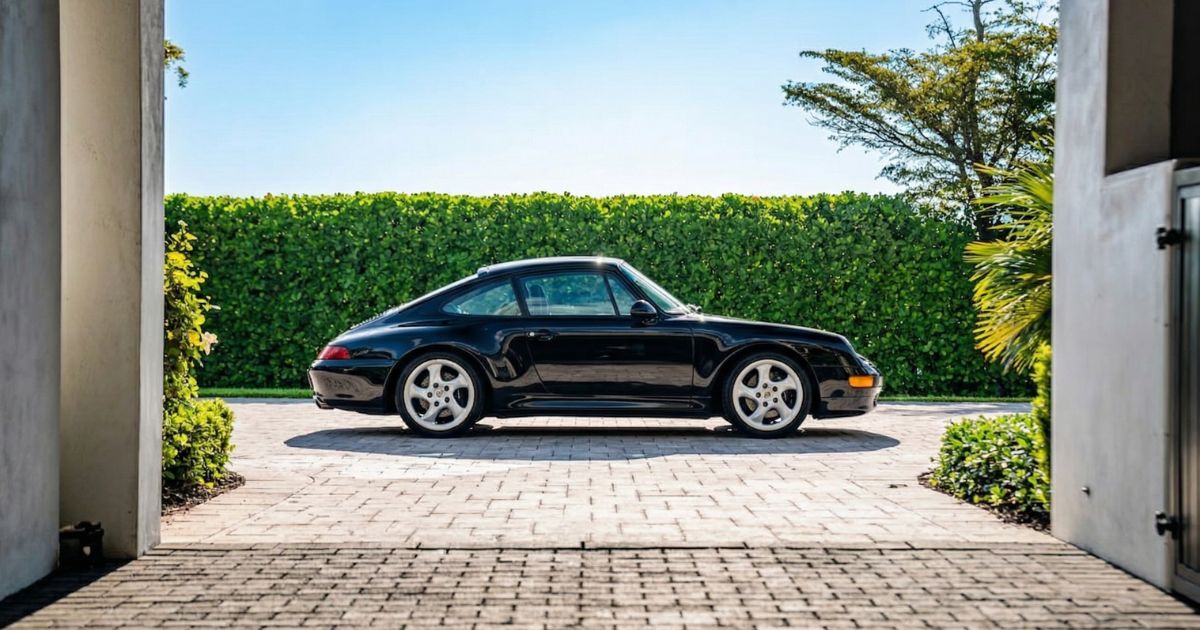
Ask specific questions about experience. Before committing to a shop, ask how many of your specific model they work on per month, which technician would be doing the work, and whether they have performed the specific service you need on this generation of the car. A shop that works on one 993 per year is not the same as one that works on six per month.
Evaluating a Shop Before Your First Service
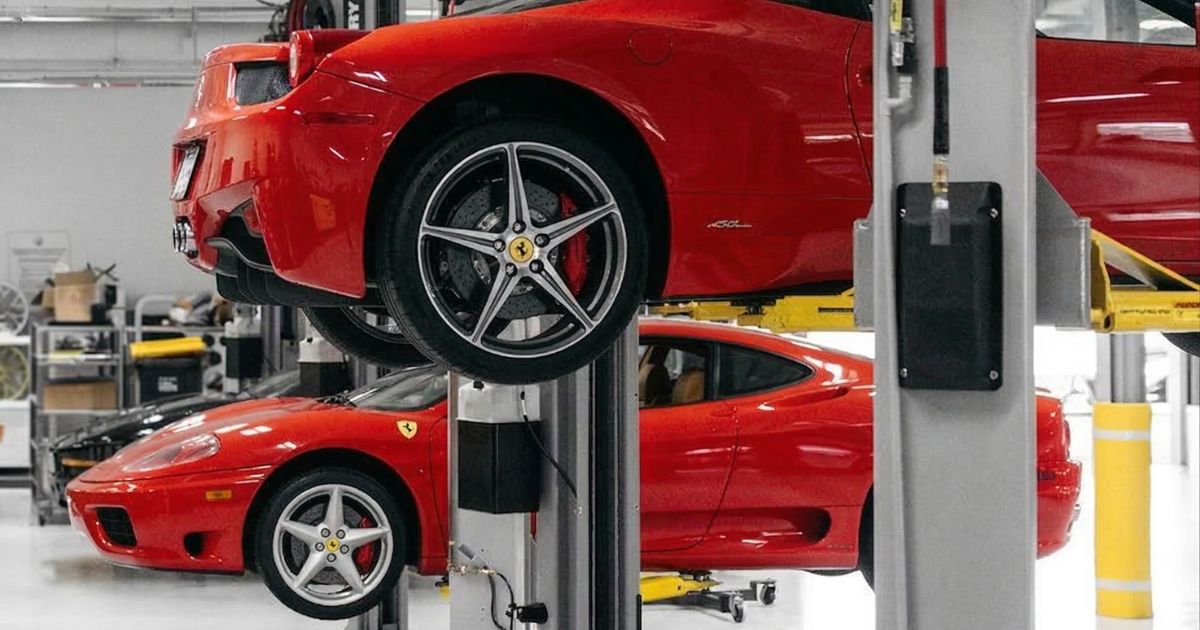
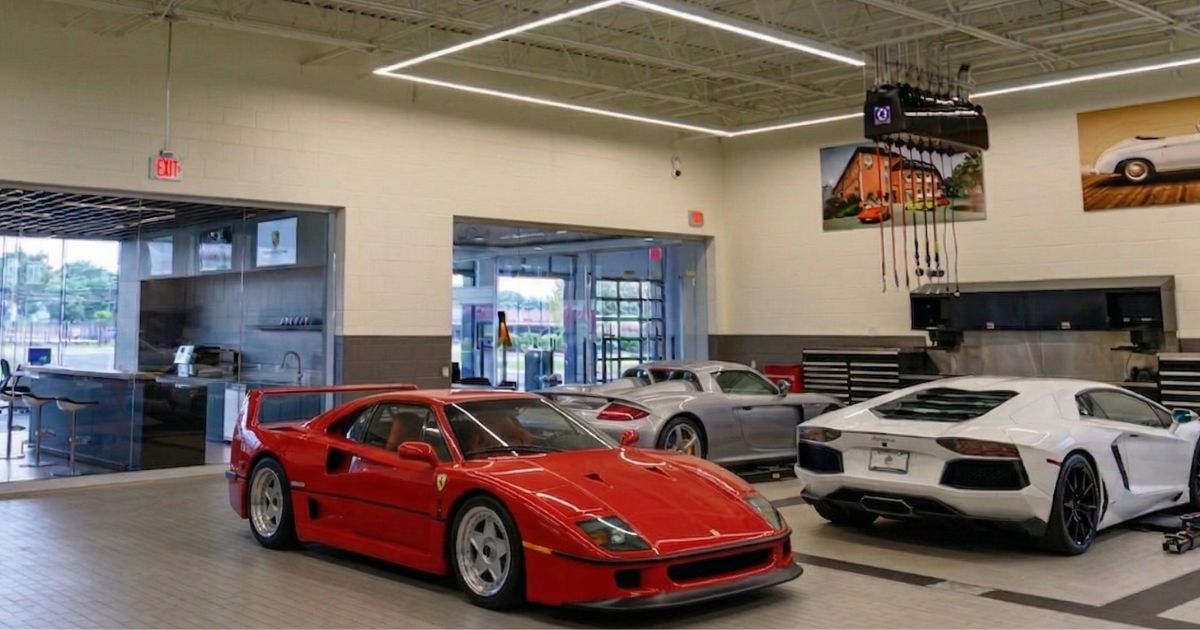
Visit in person before scheduling work. The shop's cleanliness, organization, and the cars you see in the bays are useful signals. A shop full of the make and model you own, in various states of proper disassembly, is a shop that knows the car.
Ask to speak with the technician, not just the service advisor. A technician who can speak fluently about your model's specific requirements, who knows the S65's rod bearing history, who understands the 993's oil cooler service requirements, is the technician you want working on your car.
Request a written estimate that specifies parts. A quote that includes part numbers and whether OEM or aftermarket parts will be used gives you something to evaluate and compare.
Documenting Specialist Work
When a reputable specialist performs work on your car, ensure the invoice is detailed: the shop's name and contact information, the technician who performed the work, the exact parts used with specifications, the mileage at service, and any findings documented during the job.
This invoice, uploaded to AutoArchive, is one of the most valuable documents in your archive. It is exactly what knowledgeable buyers look for when evaluating your car's history.
Frequently Asked Questions
Is it worth driving a significant distance to use a well-regarded specialist?
For major work, engine rebuilds, rod bearing service, transmission overhauls, yes. The combination of quality workmanship and the reputational value of the shop's name on the invoice justifies travel for significant services.
Are OEM parts better than quality aftermarket parts for service?
For most applications, OEM is the safe choice for buyers who want the clearest possible documentation trail. Some reputable aftermarket suppliers are well-regarded in specific communities (ARP rod bolts for the S65, for instance), in those cases, documenting the specific part used and why it was chosen is worthwhile.
What if there is no recognized specialist for my model in my area?
Ask the enthusiast community for the best available option within a reasonable distance and whether any shops in your area are considered acceptable for specific service types, even if not dedicated specialists. For major work, the travel investment to reach a recognized specialist is generally worth it.