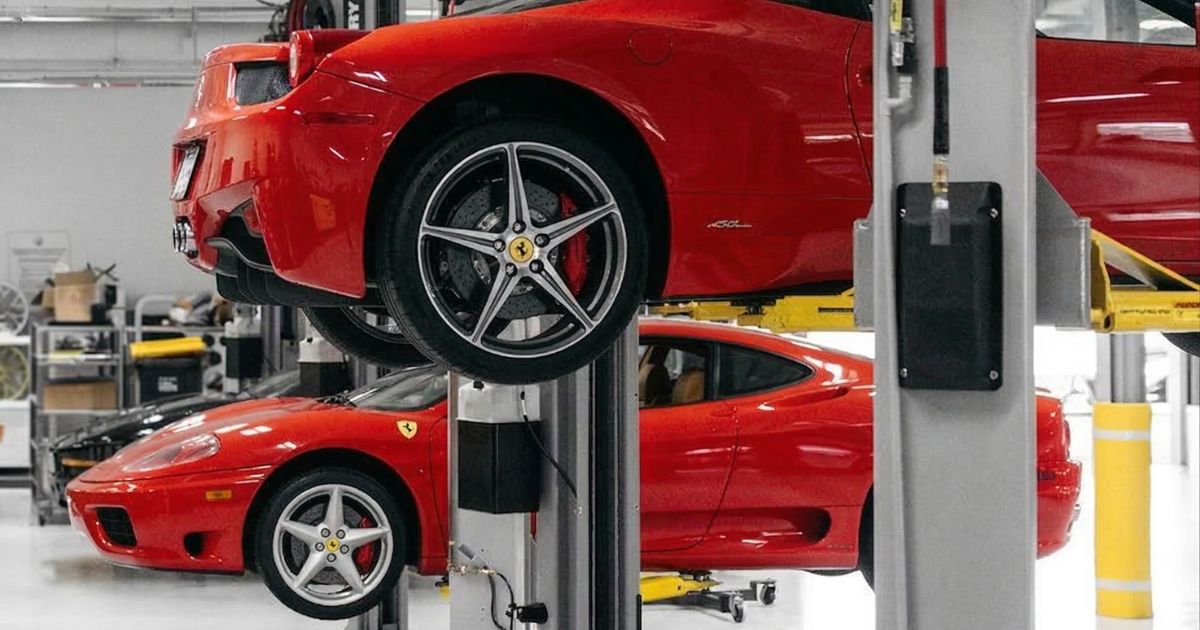
Seasonal storage, taking a car off the road during winter months or extended periods of non-use, is standard practice for enthusiast car owners in much of the country. How that storage is handled matters significantly to long-term condition, and documenting it belongs in your service archive.
Why Storage Matters to Future Buyers
Buyers of enthusiast cars ask where the car has lived for exactly this reason. A car that has been properly stored in a climate-controlled facility in Arizona tells a different story than one that spent winters in a heated but humid garage in Michigan.
Buyers at current prices are not just evaluating the car's mechanical condition, they are evaluating the entire history of how it was treated. Storage practice is part of that history.
What Proper Seasonal Storage Includes
Pre-storage preparation. Before taking a car off the road for an extended period, proper preparation includes a fresh oil and filter change (used oil contains acids that degrade seals and surfaces over time), fuel stabilizer added to a full tank, brake fluid check, and tire inflation adjustment.
Battery maintenance. A quality battery tender keeps the battery healthy through storage and prevents the slow discharge that can damage cells over a season.
Climate-controlled or conditioned storage. The ideal storage environment is stable temperature and humidity. Significant temperature swings accelerate rubber degradation, and high humidity contributes to corrosion on bare metal surfaces.
Rodent prevention. In storage facilities and even private garages, rodents cause expensive damage to wiring, hoses, and upholstery. Steel wool in exhaust outlets, dryer sheets in the cabin, and traps around the car are standard practice.
Spring recommissioning. Before returning the car to service, a recommissioning inspection should include tire pressure check, brake inspection (rotors and pads may need cleaning or light conditioning after sitting), fluid level verification, and a full pre-drive visual check.
How to Document Your Storage Practice
Create a simple log for each storage season: when the car went in, what preparation was performed, where it was stored, and what recommissioning steps were taken when it came out. Upload this log to your AutoArchive alongside your mechanical service records.
This documentation does not need to be elaborate. A simple note, "October 2023: oil change, fuel stabilizer, stored at [facility name] through March 2024, spring recommissioning inspection by [shop]", adds meaningful information to your archive.
Frequently Asked Questions
Does the location where a car is stored affect its value?
Yes, meaningfully. Cars stored in dry climates with stable temperatures typically show less rubber degradation, lower rust risk, and better preservation of paint and body condition than cars stored in harsher environments. Documented storage history in favorable conditions supports higher asking prices.
What is the minimum a car owner should do for proper seasonal storage?
At minimum: fresh oil before storage, fuel stabilizer in a full tank, battery tender connected, and tires inflated to appropriate storage pressures. Climate-controlled storage is ideal but not always possible.
Is climate-controlled storage worth the cost for a car with significant value?
For most cars at enthusiast car prices, yes. Storage facility costs over a season are modest relative to the car's value and the condition benefit of proper storage over years of ownership.