Jan 13, 2026
The 12,000 RPM Fever Dream: Why the DTM was More Violent than Formula 1
DTM: The series that humbled F1 legends. From the BMW M3 E30 to the 12,000 RPM Alfa 155, discover the brutal history and GT3 future of Germany's greatest race.
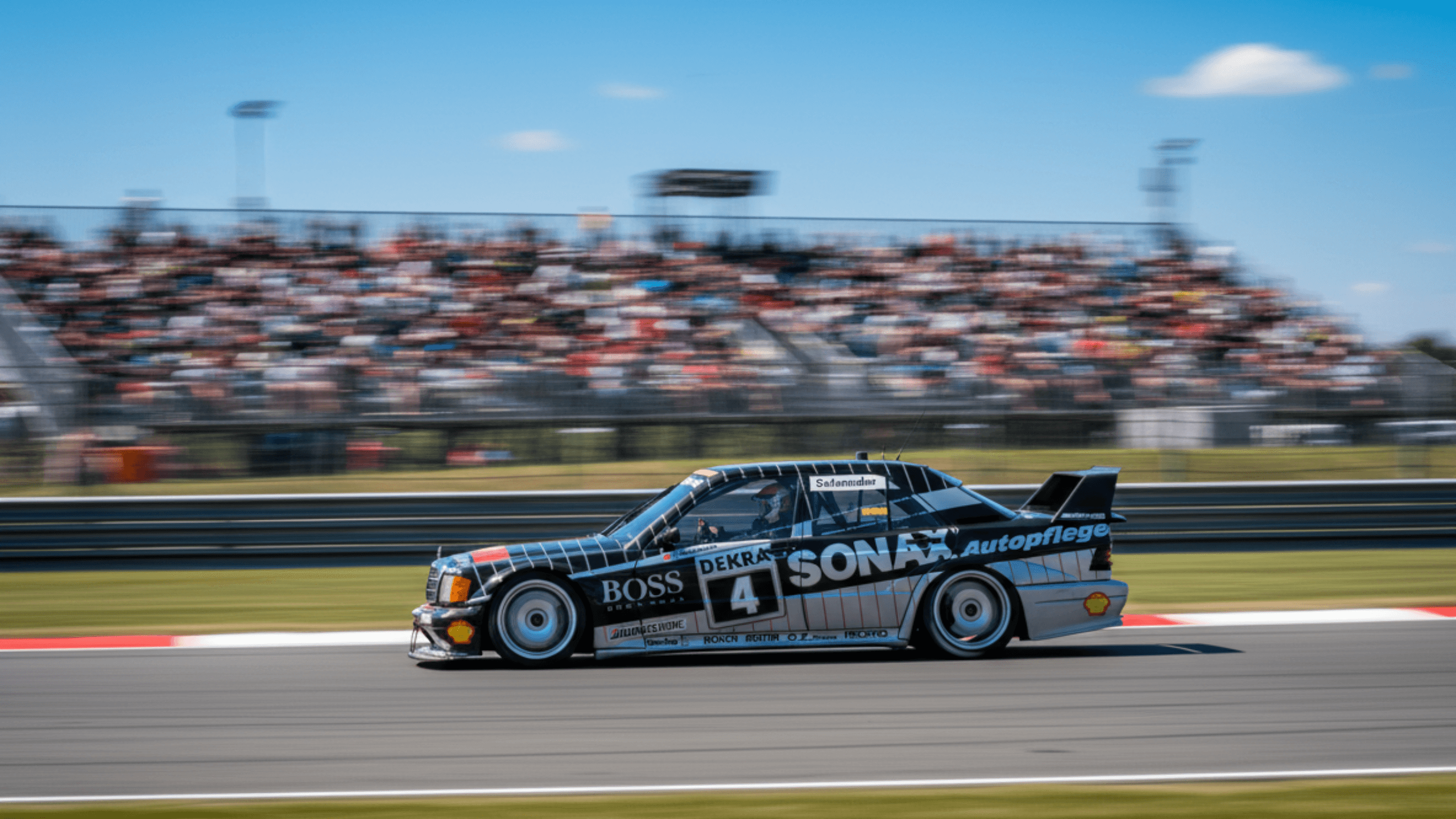
If you stood at the edge of the pit wall at Hockenheim in 1994, you didn’t just hear the cars approaching; you felt the air pressure change. This was the Deutsche Tourenwagen Meisterschaft (DTM) at its absolute, unhinged peak. It was an era where the German Big Three and a vengeful Italian gatecrasher decoupled themselves from reality, creating a series so technologically dense that it eventually outpaced human reflexes and corporate bank accounts.
The Era of the Homologation Hero
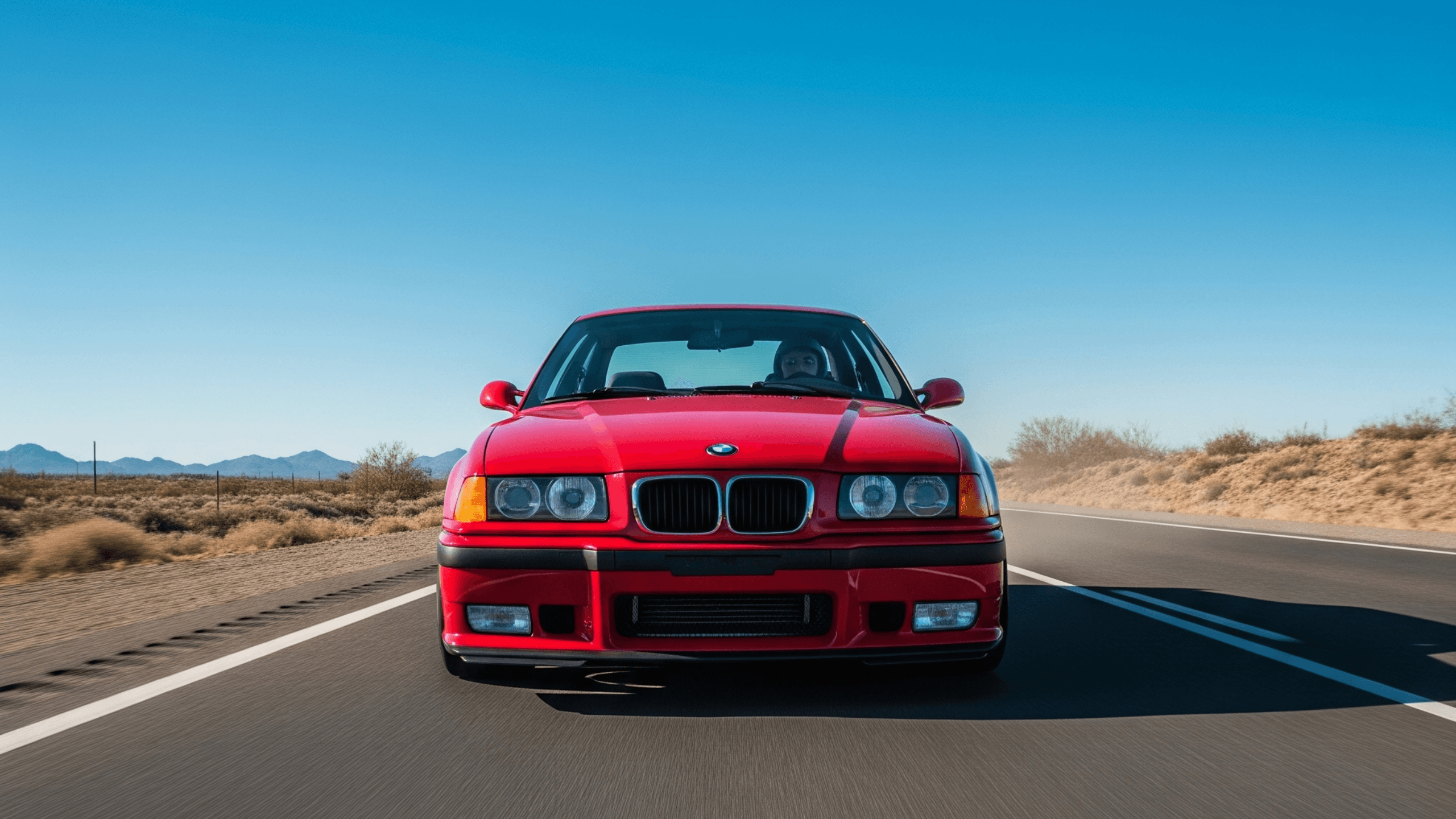
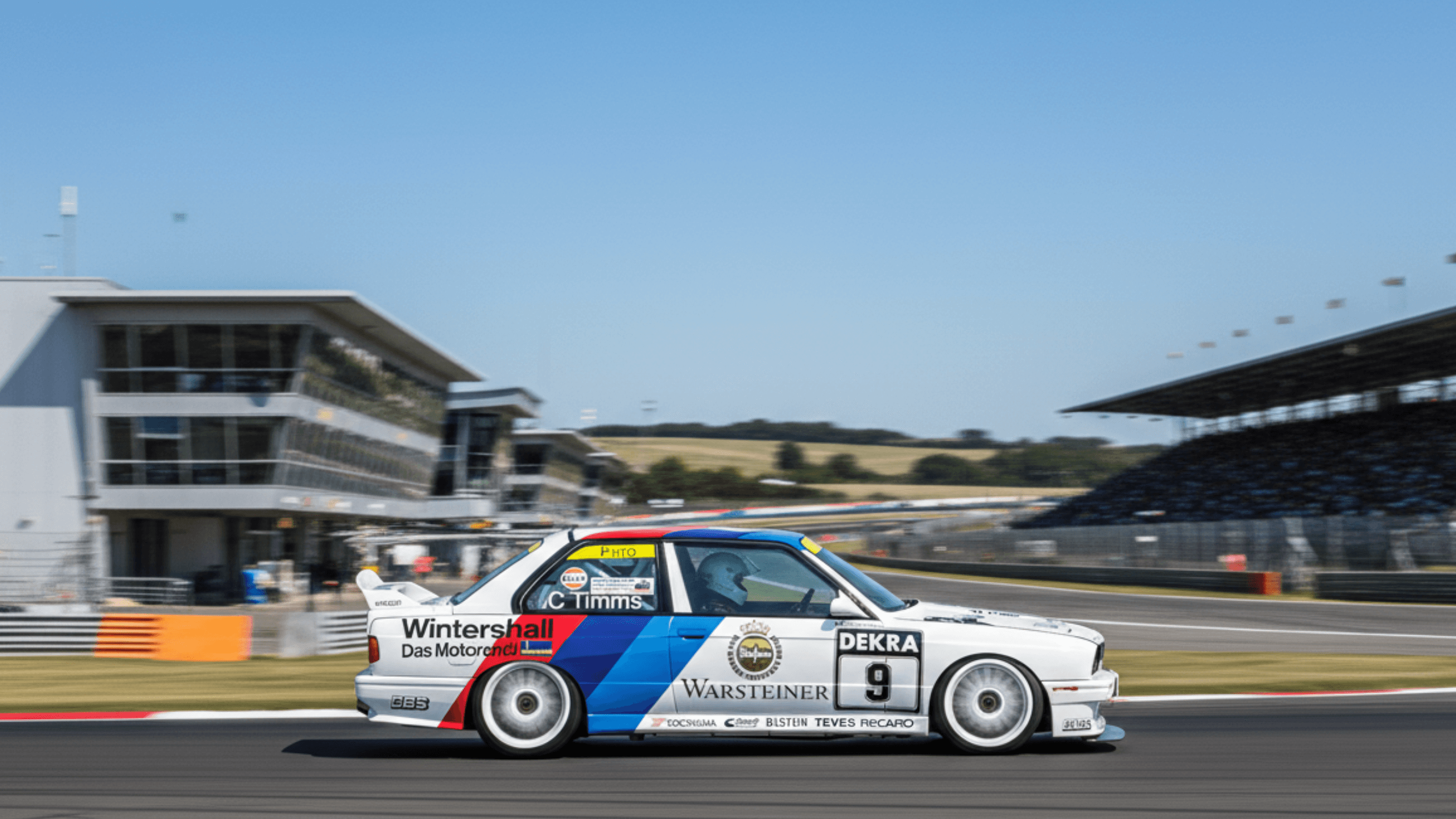
The DTM began in 1984 as the Deutschen Produktionswagen Meisterschaft, a grounded, Group A-based category where the cars were tangible. To see a BMW 635 CSi or a Rover Vitesse banging door-handles was to see the car from the office parking lot transformed into a gladiator. But the stakes escalated when the homologation special became a regulatory weapon. Manufacturers were forced to build 5,000 road-legal versions of their race cars, a rule that gifted the world the two most revered pieces of German metal in existence: the BMW E30 M3 and the Mercedes-Benz 190E 2.5-16 Evolution II.
The E30 M3 was a masterpiece of surgical balance, winning championships with Eric van de Poele and Roberto Ravaglia through a clinical focus on momentum. But Mercedes-Benz, partnering with AMG and the engine wizards at Cosworth, refused to be embarrassed. They responded with the Evo II, a car so aerodynamically aggressive that BMW’s R&D chief famously joked that if the Mercedes wing worked, BMW would have to redesign their wind tunnel. These were the years, where Klaus Ludwig and Hans-Joachim Stuck treated million-dollar bodywork as disposable consumables, building a connection with the fanbase that Formula 1, with its sterile paddocks and untouchable heroes, could never hope to match.
Class 1: The Descent into Technological Madness
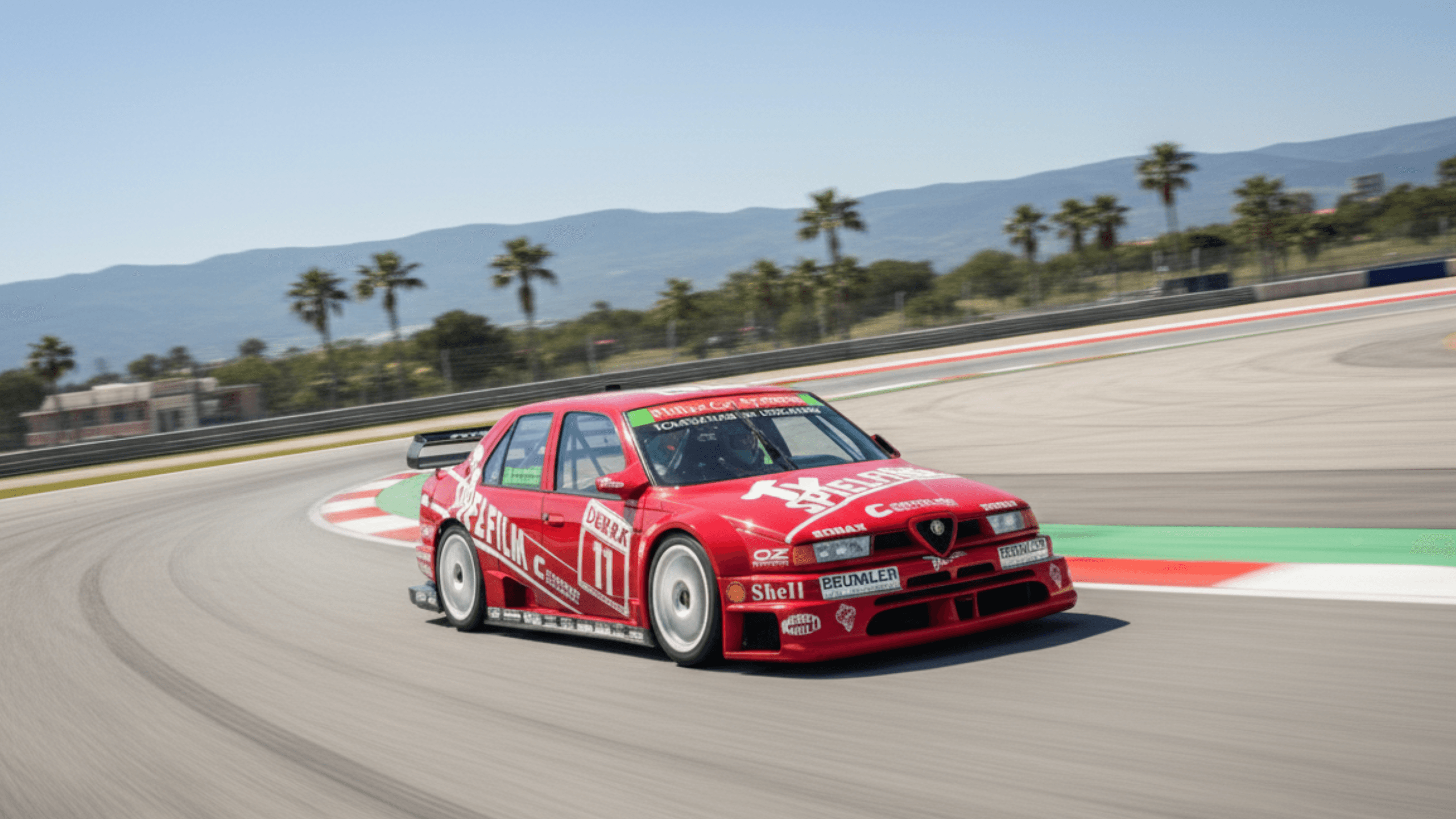
In 1993, the DTM abandoned its production roots and entered the Class 1 era, a period of technical skills that has never been surpassed. The rules were a blank check for engineers: 2.5 liters, six cylinders, and unrestricted innovation. Alfa Romeo arrived with the 155 V6 TI, a four-wheel-drive invader with a 2.5L V6 that shrieked to 11,800 RPM. It dominated, taking 11 of 22 races in its debut year and forcing the Germans into a nuclear response.
The following three years saw a technological arms race that dwarfed the budgets of mid-field F1 teams. Mercedes introduced a C-Class DTM that was a marvel, the entire front end, including the engine and suspension, could be swapped in ten minutes. Opel countered with an active suspension system salvaged from the Williams F1 program. We saw traction control, ABS, and moving internal weights that shifted the center of gravity mid-corner. The sensory experience was a total assault: titanium floor plates were fitted for the sole purpose of throwing sparks under braking, while carbon rotors glowed molten orange in the fading sunlight of the Avus circuit.
The F1 Graveyard: Where Legends Failed
One of the most long lasting myths of the DTM is that it served as a retirement home for Formula 1 drivers. In reality, it was a graveyard for their reputations. While the series attracted world champions like Keke Rosberg and Mika Häkkinen, and podium regulars like Jean Alesi and David Coulthard, they rarely conquered the podium.
The DTM required a unique style of racing. In F1, you avoid contact, in DTM, you use the fenders as a sensory tool. Open-wheel legends, used to the low-mass precision of single-seaters, struggled to manage the massive weight transfer and the violent door-banging of a 500-hp sedan. Bernd Schneider, Klaus Ludwig, and specialists like Robert Wickens proved that a background in Grand Prix racing did not translate to success in a specialized racing series. These touring car lifers routinely humbled the F1 stars, demonstrating that DTM wasn't a step down, it was a different, often more brutal, discipline.
The Cost of Hubris and the GT3 Survival
By 1996, the dream turned into a nightmare. Renamed the International Touring Car Championship (ITC), the series collapsed under its own weight. The FIA had taken control, ticket prices doubled, and the cars had become so expensive that even the factory teams couldn't justify the spend. When the bill for racing in Brazil and Japan arrived, Alfa Romeo and Opel pulled the plug. The 12,000 RPM scream went silent for four years.
The 2000 revival as the Masters brought stability through tube-frame silhouettes, but it lacked the unrestricted soul of the nineties. Today’s DTM has made the ultimate pragmatic move: it has embraced GT3. While purists mourn the loss of the bespoke Class 1 prototype, the GT3 era has saved the series. We now see Ferraris, Lamborghinis, and Porsches on the grid in a professional sprint format that is the most competitive in the world. The technology is now balanced by a computer (BoP) rather than an open checkbook, ensuring longevity over insanity. The DTM has traded its fever dream for a future, but for those who remember the sparks and the shriek of the 155 V6 TI, it remains the era when sedans tried to touch the sun.