Jan 13, 2026
The Ice and the Fire: The Unforgiven Brilliance of Didier Pironi
Was Didier Pironi a villain or a victim of his own precision? Revisit the tragic 1982 F1 season, the Ferrari 126C2, and the Imola 'betrayal' that changed the sport. Discover why Enzo Ferrari called Pironi the 'true' world champion despite the Villeneuve controversy.
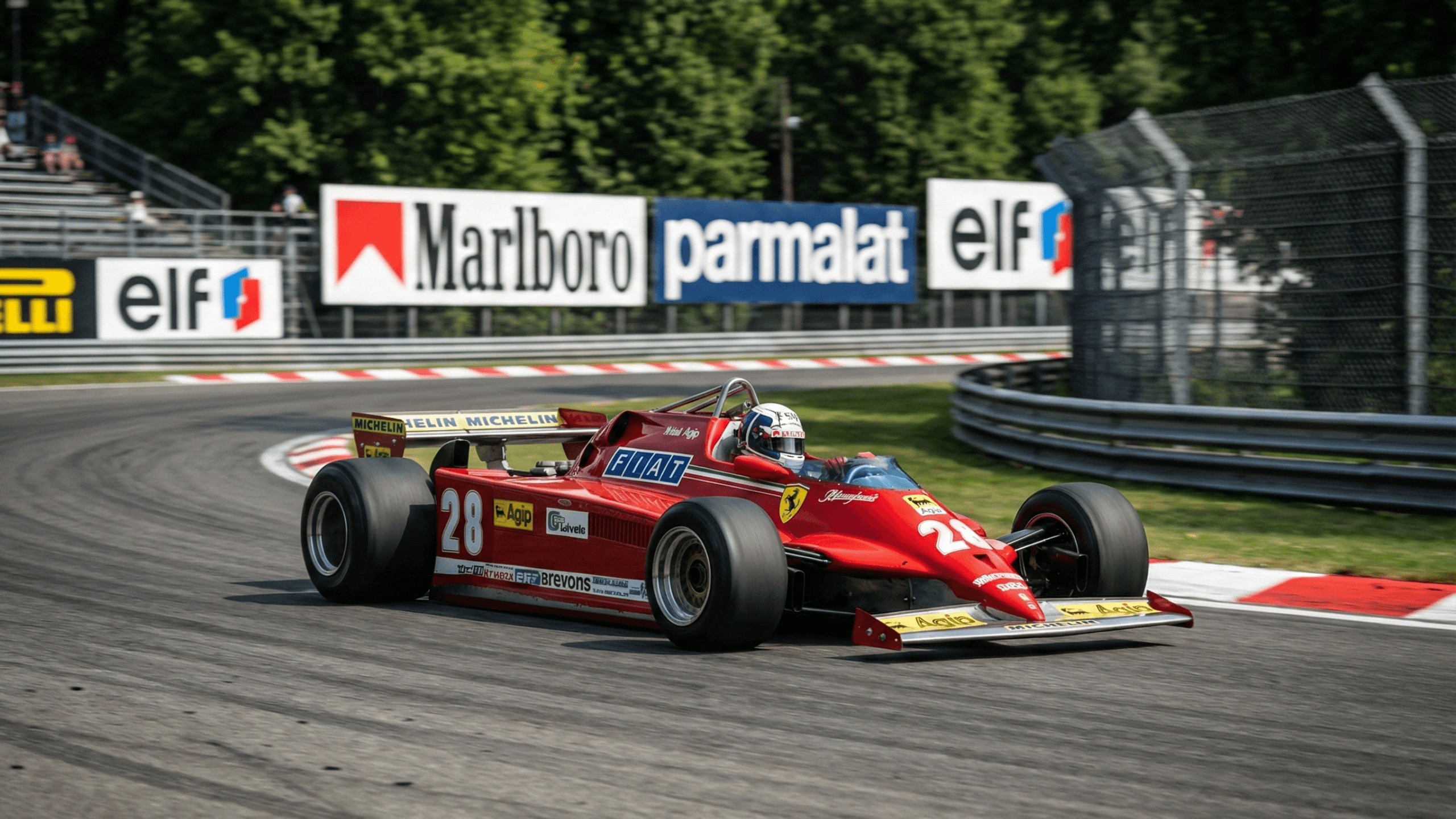
History is written by the survivors, and in the case of the 1982 Formula 1 season, history chose Gilles Villeneuve as its fallen saint. That left Didier Pironi with the only role remaining: the villain.
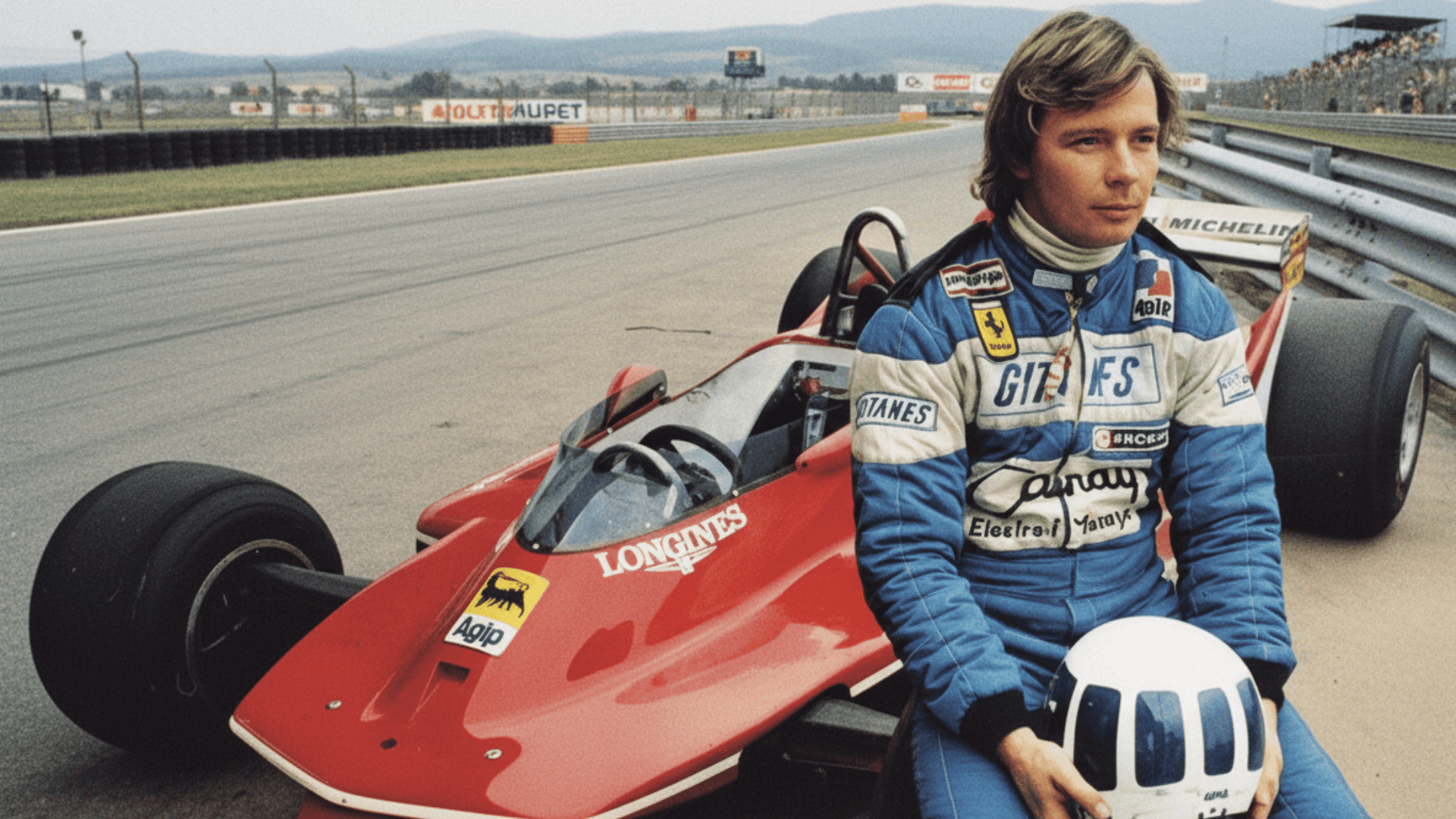
But to look at Didier Pironi and see only a villain is to miss one of the most clinical, resilient, and terrifyingly fast drivers to ever strap into a Ferrari. Pironi didn't just drive cars; he engineered their success with a cold, Gallic precision that made him Enzo Ferrari’s favorite "son", and the sport’s most misunderstood figure.
The Engineering of a Champion
Unlike the romantic "seat-of-the-pants" drivers of the 70s, Pironi was a product of systems. A trained engineer, he approached the cockpit like a laboratory. By the time he reached Ligier in 1980, he was already displaying an unsettling "emotional steadiness." While others wrestled with the violent ground-effect aerodynamics of the era, Pironi operated with a heart rate that barely flickered.
When he won at Le Mans in 1978 for Renault, he didn't just drive his stint; he conquered the race, staying behind the wheel until his eyes were bloodshot and his body was broken, purely because he was the fastest tool for the job.
Imola 1982: The Day the Music Died
If you want to understand why Pironi’s name is still spoken in hushed tones, you have to look at the San Marino Grand Prix at Imola.
The Ferraris were dominant. The "SLOW" sign was hung out from the pit wall, a signal Villeneuve interpreted as "hold positions." But Pironi, the engineer, the pragmatist, saw a different logic: "Slow" meant save fuel and brakes, but it didn't mean don't race. When Pironi lunged past Villeneuve on the final lap to take the win, he wasn't just chasing points, he was tryin to assert dominance.
Villeneuve was full of strong emotions. "I will never speak to him again," he vowed. Two weeks later, at Zolder, while trying to beat Pironi’s qualifying time in a fit of rage, Villeneuve went airborne and into the history books.
The world blamed Pironi. The paddock turned cold. Pironi, true to form, said nothing. He simply kept driving.
The True 1982 World Champion?
By mid-summer, Pironi was a man possessed. He was leading the championship, but he was also a man haunted. In Canada, he stalled on the grid, only to watch Riccardo Paletti die in the back of his Ferrari.
Then came the fog of Hockenheim.
In a torrential downpour during practice, a session that didn't even matter for his grid position, Pironi stayed out. He was testing tires, searching for that extra tenth of a second. He blinded himself in the spray of Derek Daly’s Williams and launched over the back of Alain Prost’s Renault.
The crash was a carbon copy of the one that killed Villeneuve. Pironi survived, but his legs were shattered, his career ended in a tangle of magnesium and blood. Even after missing the final five races, he lost the title to Keke Rosberg by a mere five points.
Enzo Ferrari, a man who didn't give out compliments easily, sent Pironi a silver trophy later that year. The inscription?
"Didier Pironi – The True 1982 World Champion."
A Final Act of Speed
Pironi’s life ended not on asphalt, but on water. In 1987, seeking the adrenaline that F1 had denied him, he flipped his offshore powerboat, Colibri 4, off the Isle of Wight. He died instantly, alongside his crew.
In a final, haunting twist of fate, his partner gave birth to twins months later. She named them Gilles and Didier. It was a silent plea for a peace that the two men never found on the track.
The Legacy
Didier Pironi was not the monster the 1980s British press made him out to be. He was a man of extraordinary, perhaps pathological, focus. He was the driver who proved that in the cockpit of a Ferrari, there is no room for friendship, only the relentless, cold pursuit of the finish line.