
Jan 13, 2026
The Whine of War: Helical vs. Straight-Cut Gears Explained
Straight-cut vs. helical gears: Why do race cars whine, and is that noise worth the extra horsepower? Compare mechanical efficiency, axial thrust, and durability to decide if your project car needs the raw power of spur gears or the refinement of a helical setup.
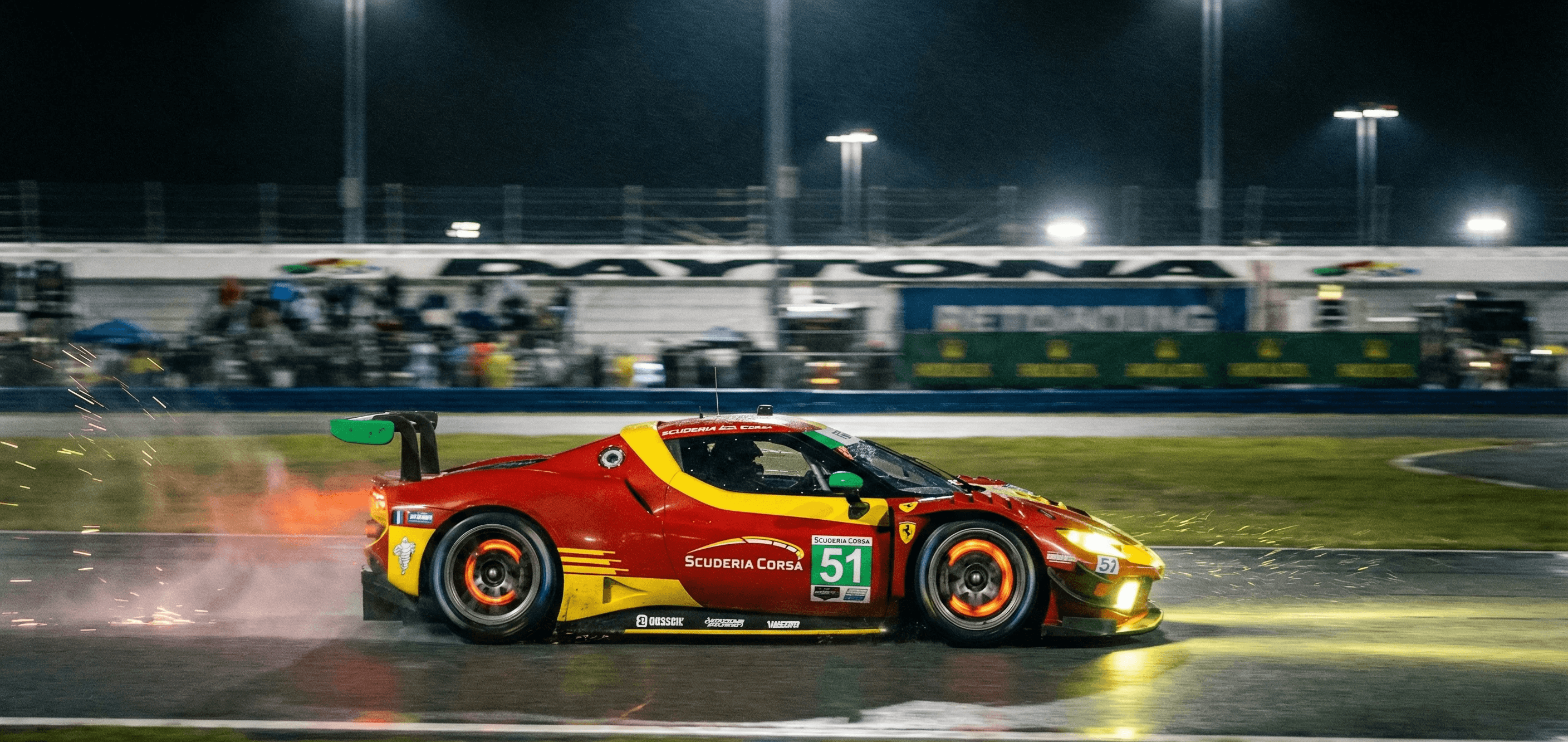
In the world of high-performance drivelines, you don't just choose a gear ratio; you choose a personality. If you’ve ever sat in a rally car or a stripped-out GT3 racer, you’ve heard it, that piercing, metallic wail that rises and falls with engine RPM. That is the sound of Straight-Cut Gears, and it tells you everything you need to know about the machine’s intent.
Straight-Cut Gears (Spur Gears): Raw, Efficient, Violent
Straight-cut gears are the shortest distance between two points. The teeth are cut parallel to the axis of rotation. When they mesh, they engage across the entire face of the tooth instantly.
The Pros:
Zero Axial Thrust: Because the teeth are straight, they don't try to push the gears apart sideways. This means you don't need heavy thrust bearings, allowing for a lighter, more compact gearbox casing.
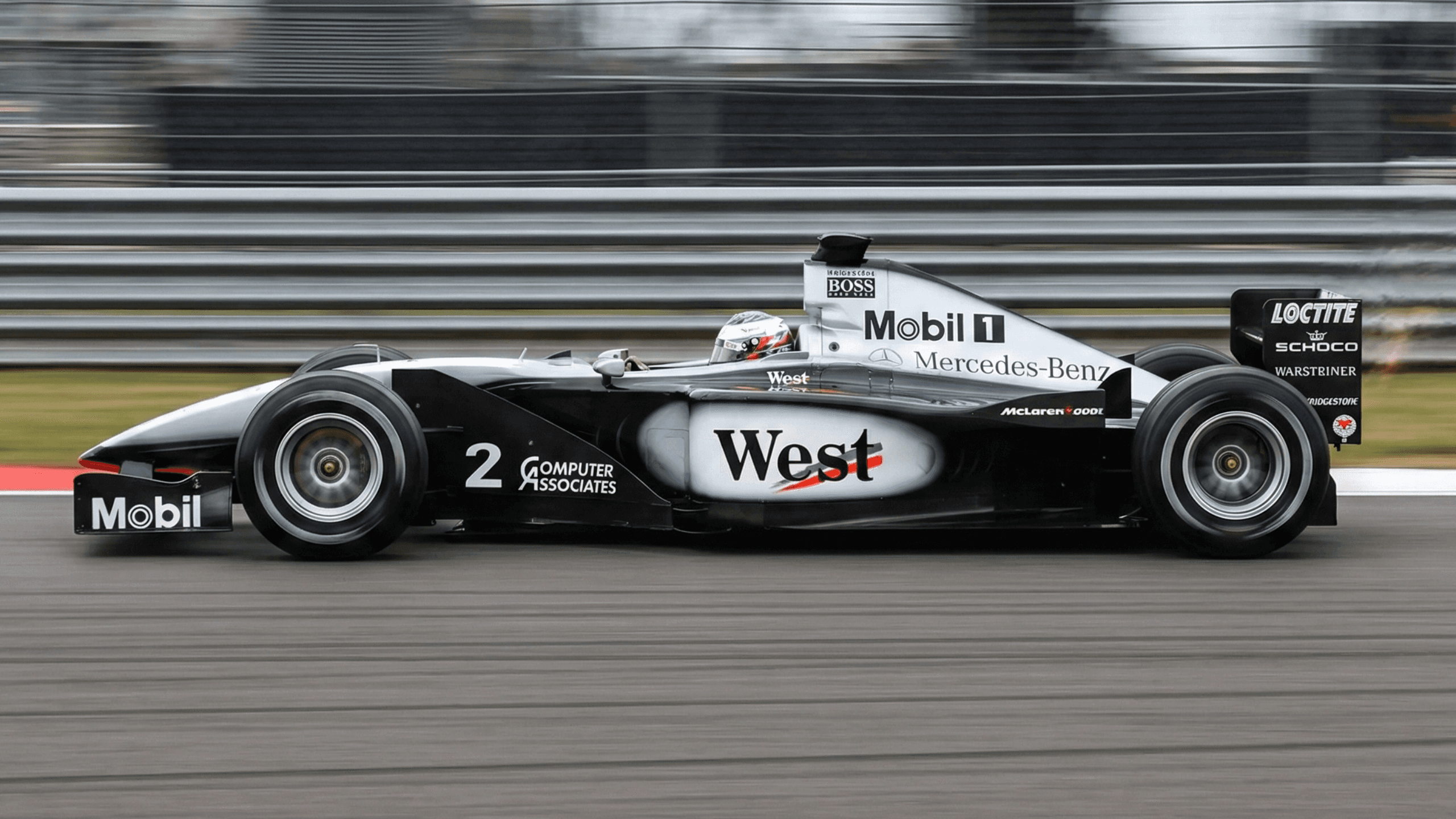
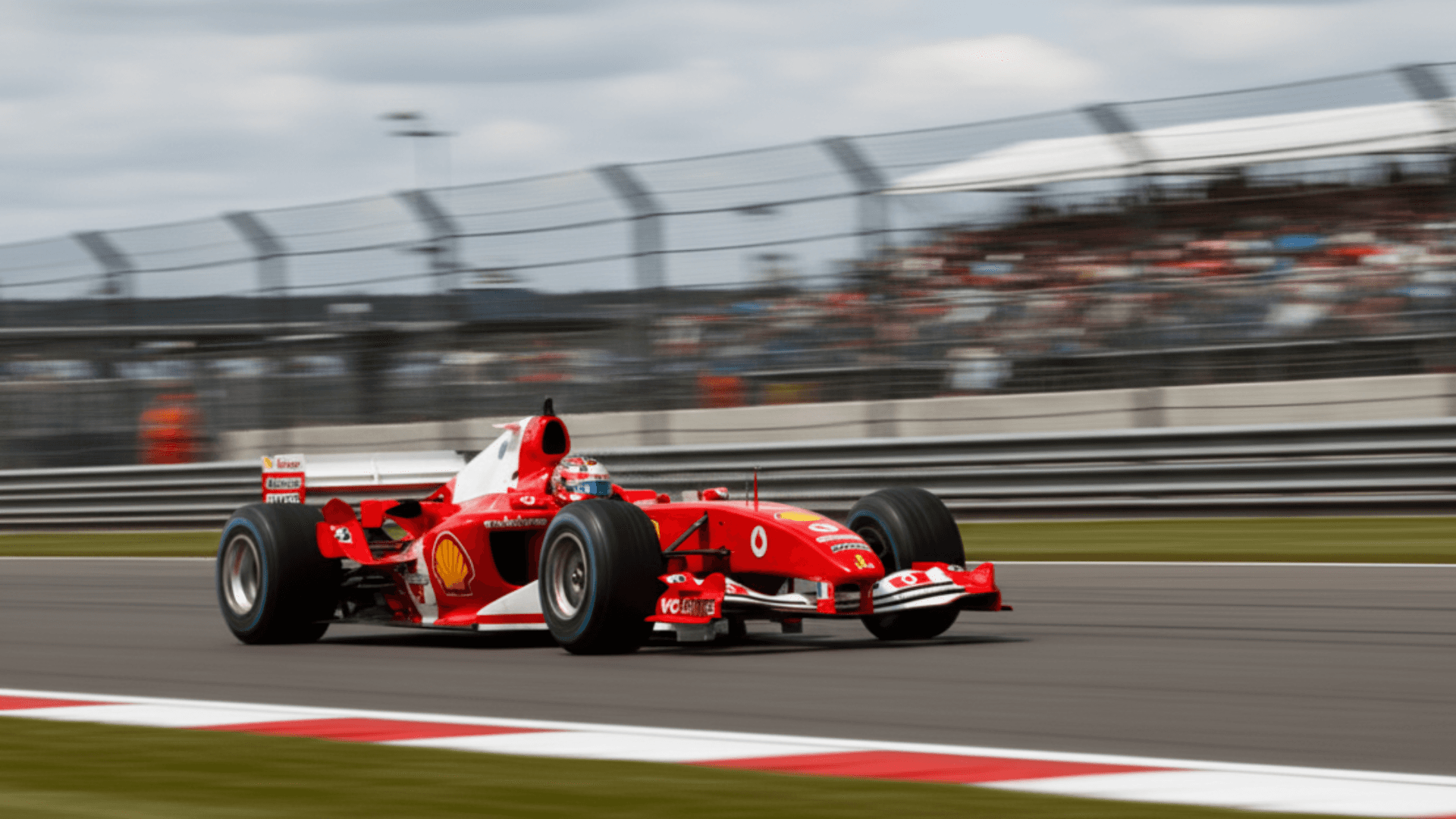
Maximum Efficiency: We’re talking 98–99% mechanical efficiency. In a sport where every horsepower counts (like Formula 1 or Time Attack), losing 1% less power through the drivetrain is a massive win.
Strength in Simplicity: They are the backbone of the "Dog-Box." Without the delicate synchronization required for helical gears, these can be slammed into gear without a clutch.
The Cons:
The "Whine": Because the teeth slam together all at once rather than rolling, they create a massive amount of noise and vibration. On a 10-minute qualifying lap, it’s glorious. On a 4-hour road trip, it’s a migraine.
Point Loading: While efficient, the "impact" style of engagement can lead to fatigue if the metallurgical quality isn't world-class.
Helical Gears: The Silent Workhorse
Look inside the gearbox of a Porsche 911 or a Honda Civic, and you’ll see teeth cut at an angle. These are helical gears, designed specifically to solve the "refinement" problem.
The Pros:
Silent Operation: The engagement starts at one corner of the tooth and rolls across the face. This "sliding" contact eliminates the impact noise, making the transmission nearly silent.
Load Distribution: At any given time, more than one tooth is sharing the load. This makes them incredibly durable for high-torque, long-duration applications like heavy towing or highway cruising.
The Cons:
Axial Thrust: This is the "hidden" performance killer. The angled teeth want to slide away from each other under load. To stop this, engineers have to install heavy thrust bearings and beefier casings, adding weight and complexity.
Parasitic Loss: The sliding action creates friction and heat. Efficiency typically drops to 96–98%. That 1-2% difference might seem small, but it's "stolen" power that never reaches the wheels.
Why is Reverse Always Loud?
Ever wonder why your standard manual car sounds like a race car the moment you back out of your driveway? Most manufacturers save money by using a straight-cut gear for reverse. Since you aren't spending much time in reverse and noise isn't a priority, the cheaper, simpler spur gear is the logical choice.
Which One Do You Need?
If your car has a license plate and an interior, stick with Helical. The minor loss in efficiency is a fair trade for the ability to hear your own thoughts.
But, if your interior is a roll cage and your windows are Lexan, the Straight-Cut setup is the only way to go. It’s not just about the 1% efficiency gain, it’s about the direct, mechanical connection that transforms a car from a transport device into a weapon.