Jan 13, 2026
René Arnoux: The Unforgettable Warrior of Formula 1
René Arnoux: The warrior of the turbo era. Discover the story behind his 18 poles, the legendary Dijon duel, and his mysterious 1985 Ferrari exit.
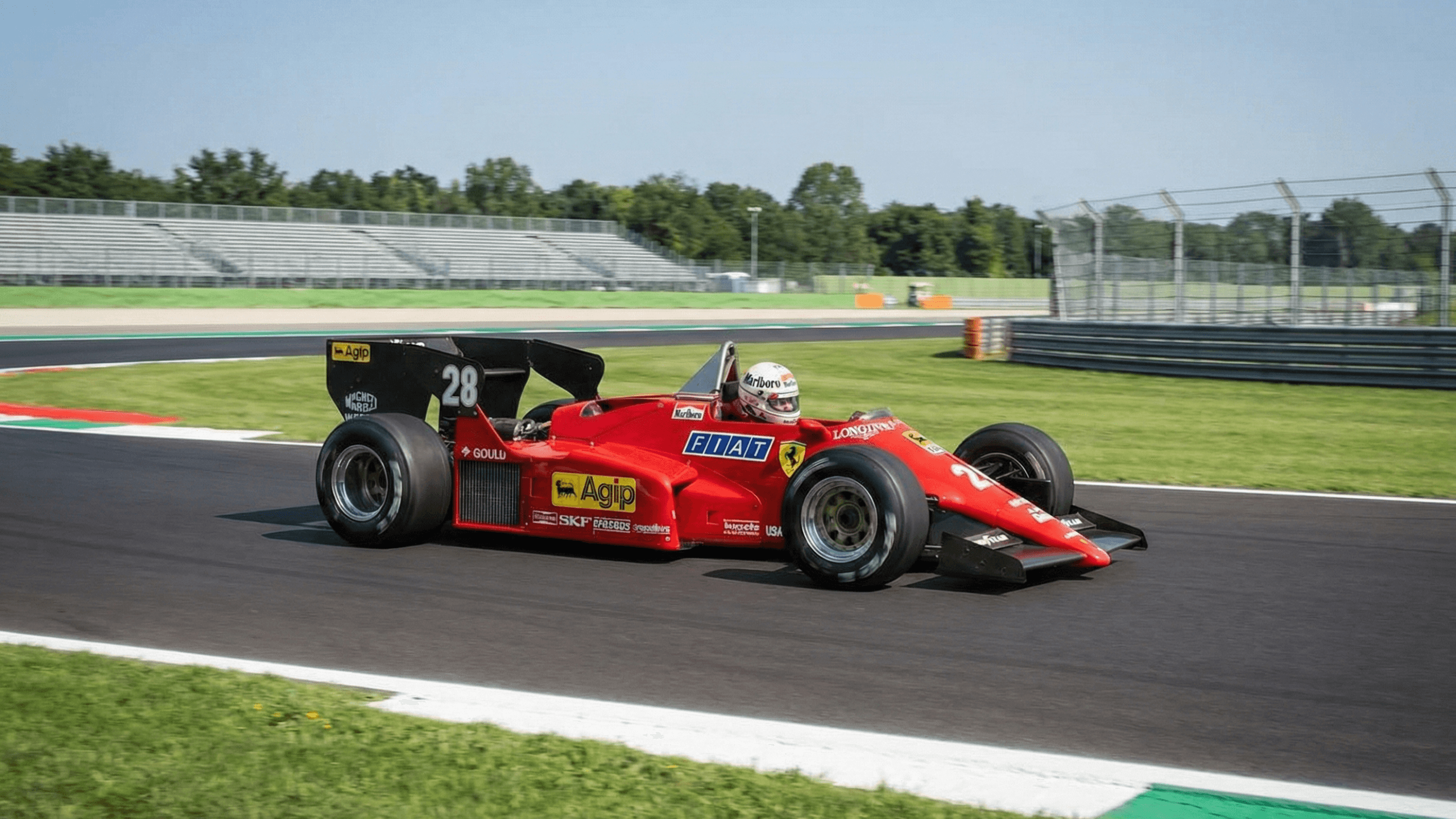
René Arnoux did not drive a race car so much as he wrestled it into submission. To look at his statistics is to see a man who owned the stopwatch but often lost the race. With 18 pole positions and only 7 wins, Arnoux defines a specific type of Grand Prix hero. He was the qualifying specialist who could find a tenth of a second in the smoke and fire of a qualifying lap, even when the car beneath him was trying to disintegrate.
The Education of a Specialist
Arnoux did not come from money. He came from the karting tracks of Italy and the brutal proving grounds of French junior formulae. By the time he reached the top flight, he was already a champion in Formula 2. His early days in Formula 1 were spent in the mechanical purgatory of the Martini and Surtees teams. These cars were underfunded and lacked the ground-effect technology required to be relevant.
His career truly began when Renault signed him in 1979. He was paired with Jean-Pierre Jabouille to lead the turbocharger revolution. The Renault RS10 was a monster. It suffered from massive turbo lag, meaning the power arrived all at once like a physical punch. Arnoux mastered this. He learned to balance the car on the throttle, anticipating the surge of power before he even reached the apex of a corner.
The Duel at Dijon
The 1979 French Grand Prix is rarely remembered for the winner. It is remembered for the final laps where Arnoux and Gilles Villeneuve staged a literal dogfight for second place. They banged wheels. They drove off the track. They locked brakes in a cloud of tire smoke. This was not strategic racing. This was a primitive display of ego and bravery.
When Niki Lauda criticized the danger of the battle, Arnoux dismissed him. He knew that for a brief moment, he and Villeneuve had transcended the sport. That afternoon in Dijon cemented his status as a warrior. It also highlighted his greatest strength: he would rather lose a spectacular fight than win a boring race.
The Ferrari Peak and the Mysterious Exit
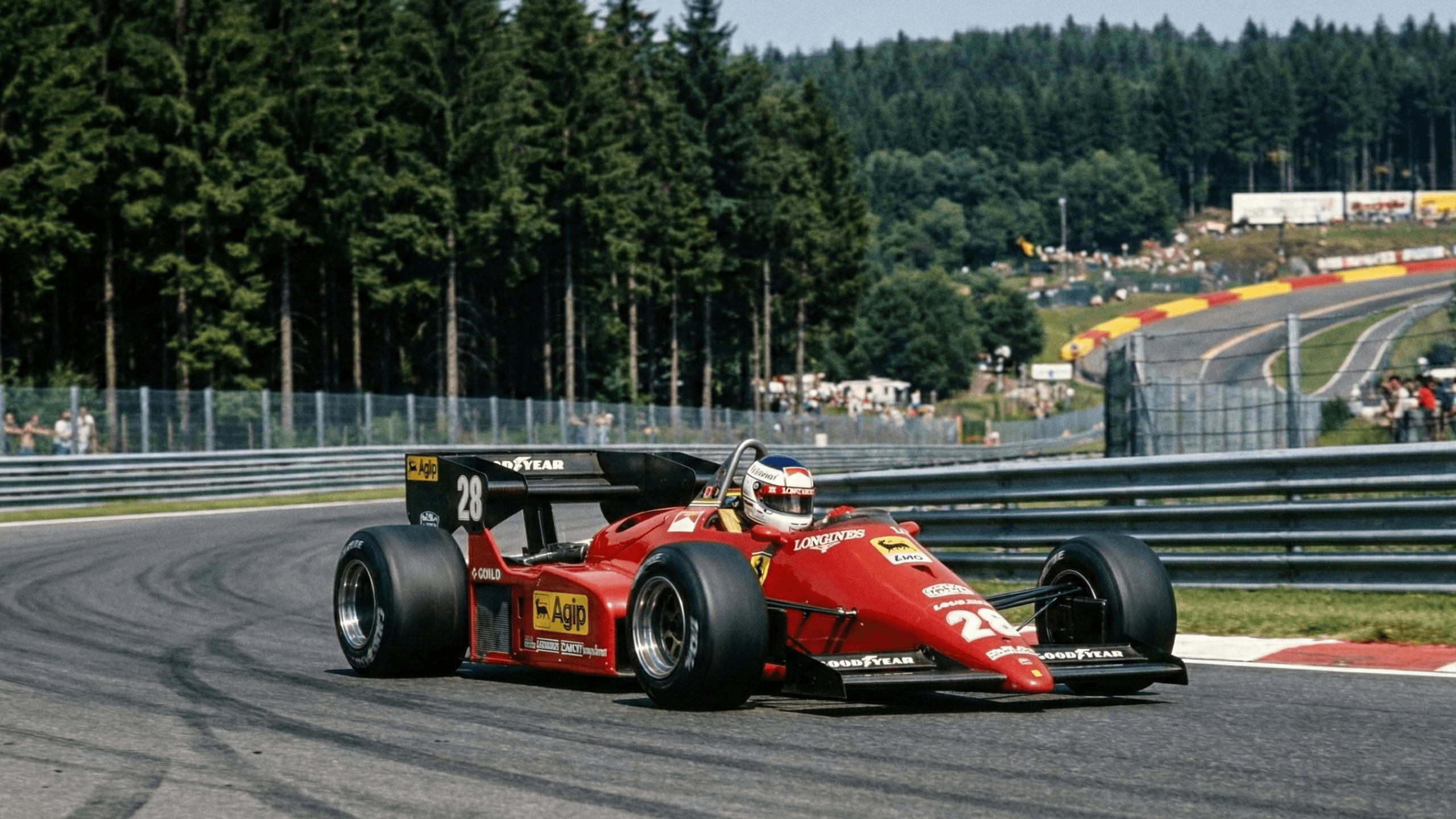
The 1983 season was Arnoux’s masterpiece. Driving the Ferrari 126C3, he was a legitimate title threat. He won three races and took four poles. The car was fast and the Ferrari engine was finally reliable. He finished third in the standings, a mere few points away from immortality.
Then came 1985. After a single race in Brazil, Ferrari dropped him. The official reason was a medical condition, but the paddock whispered about internal politics and personal scandals. Formula 1 in the 1980s was a place of secrets, and the true reason for his departure from the Scuderia remains one of the great mysteries of the sport. He spent his final years at Ligier, fighting with uncompetitive machinery and earning a reputation for being a difficult man to lap.
The Legacy of DAMS
Arnoux’s impact did not end when he hung up his helmet in 1989. By co-founding DAMS (Driot Arnoux Motor Sport), he helped build one of the most successful talent factories in racing history. DAMS has launched the careers of dozens of top-tier drivers. It proved that while Arnoux may have raced with his heart, he had a sharp mind for the business of winning.
He remains the last of the romantics. He was a driver who valued the sensation of a perfect lap over the safety of a points finish. In 2026, as we look back at the history of the internal combustion engine, Arnoux stands as the man who turned turbo lag into an art form.