Jan 13, 2026
The Enduring Career of Riccardo Patrese
Riccardo Patrese: The F1 survivor who mastered the transition from 1970s grit to 1990s digital dominance. Explore the 256-start legacy of a motorsport icon.
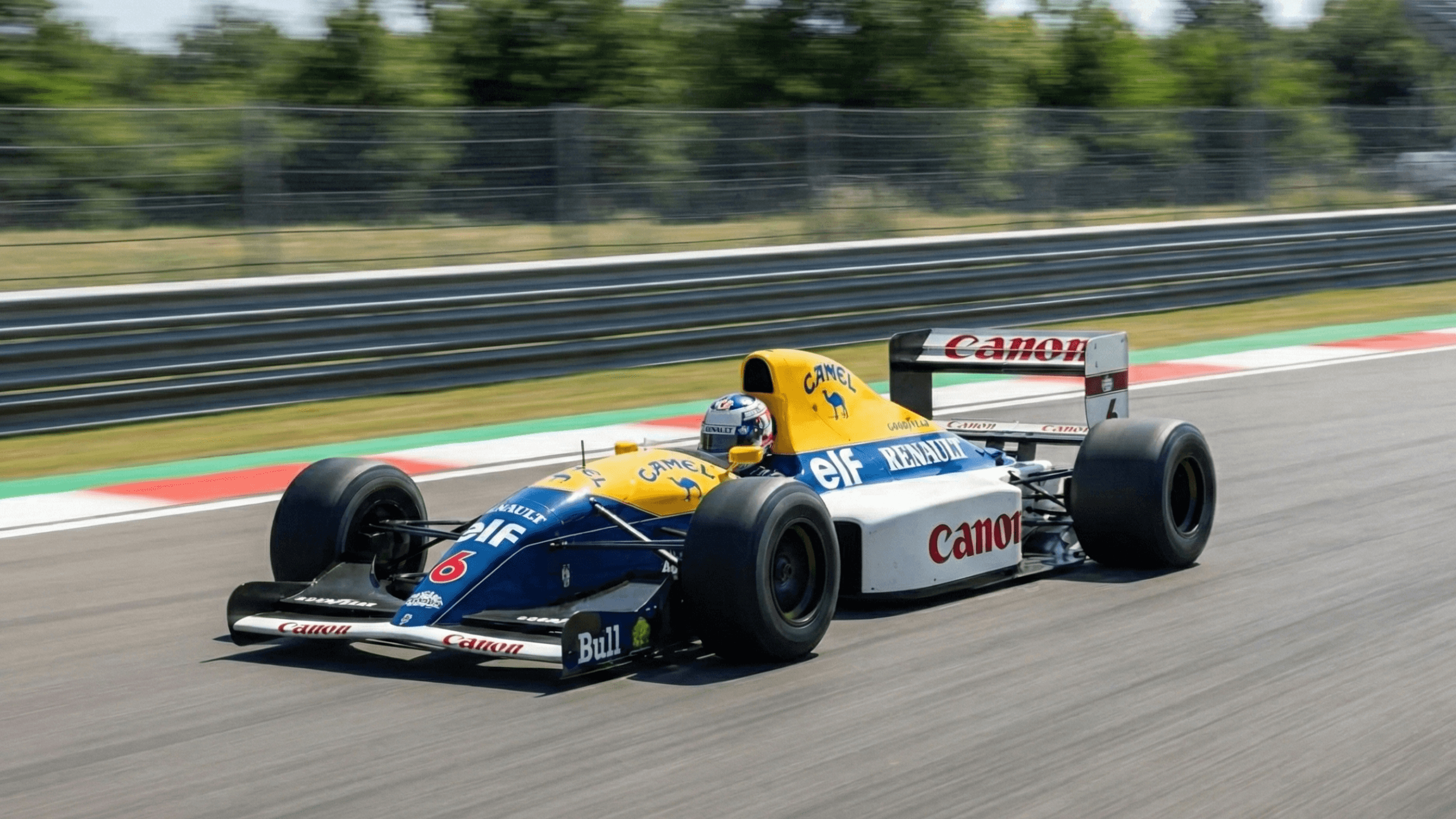
Riccardo Patrese did not just participate in Formula One, he occupied it for nearly two decades. His journey from a controversial debut in 1977 to the runner-up position in the 1992 World Championship is a narrative of iron-willed persistence. In a sport where the flame of genius often burns bright and fast, Patrese was the slow-burn professional who mastered every mechanical and digital shift of the late 20th century.
The Trial by Fire and the Monza Tragedy
Patrese’s early career was nearly derailed by a single afternoon at Monza in 1978. Following the multi-car pile-up that tragically claimed the life of Ronnie Peterson, the Italian was cast as the villain of the paddock. Led by a vocal and aggressive James Hunt, the established drivers blamed the young Patrese for the accident, leading to an unprecedented ban from the following race. It took years of legal exoneration and quiet on-track results for Patrese to shed that reputation. The fact that he did not crumble under the weight of such public vilification is a testament to the mental fortitude that would define his next fifteen years in the cockpit.
The Six-Year Wait and the South African Gap
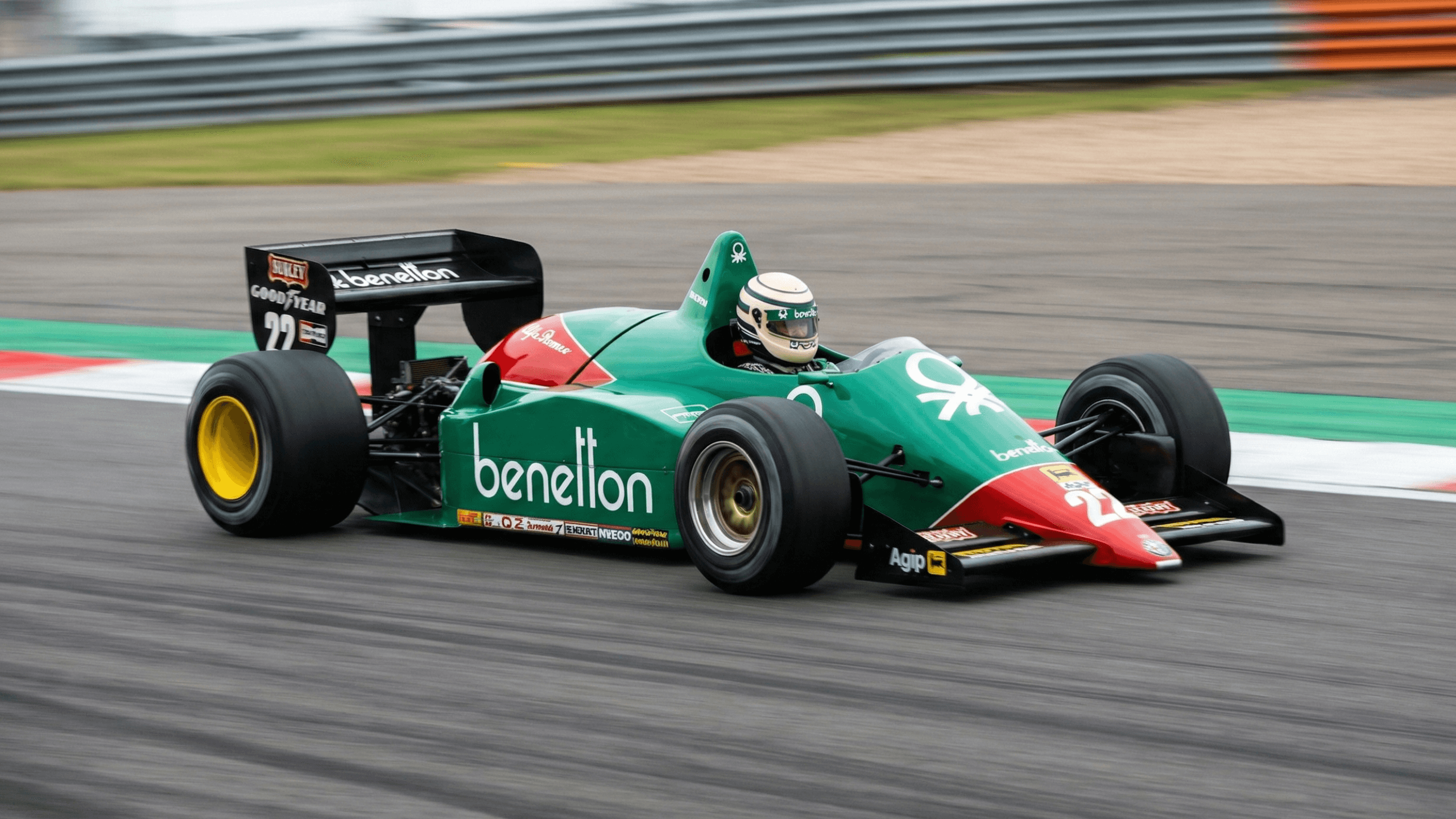
One of the most remarkable statistics in racing history is the gap between Patrese’s win at the 1983 South African Grand Prix and his victory at the 1990 San Marino Grand Prix. For 2,335 days, Patrese languished in uncompetitive machinery, primarily during the difficult Alfa Romeo and struggling Brabham years. Most drivers would have retreated to sports cars or retired entirely. Instead, Patrese maintained a level of physical fitness and technical feedback that made him indispensable to the Williams team when they were looking for a steady hand to develop their new Renault-powered contenders. His return to the top step of the podium at Imola in 1990 remains one of the most emotional and statistically significant comebacks in F1 history.
Mastering the Digital Ghost in the Machine
The 1992 season saw the introduction of the Williams FW14B, a car that moved Formula One into the realm of science fiction. With active suspension, traction control, and anti-lock brakes, the 14B was a more technical car. Patrese’s challenge was unique: he had to learn to trust a suspension system that eliminated the very feel and feedback he had relied on since 1977. While Nigel Mansell famously used his physical strength to wrestle the active car, Patrese’s struggle to adapt to the lack of traditional mechanical feedback is a rare glimpse into the psychological toll of technological progress. Despite this, he secured the runner-up spot in the championship, proving he could still extract elite performance from a car that spoke a different language than any he had ever driven.
The Lancia Legend and the Group C Duality
Beyond the F1 grid, Patrese was a titan of endurance racing. As a factory driver for Lancia, he campaigned the iconic LC1 and LC2 prototypes. The LC2, powered by a Ferrari-derived twin-turbo V8, was the only car capable of challenging the dominant Porsche 956 and 962s for raw speed. Patrese’s eight wins in the World Sportscar Championship highlight a versatility that has vanished in the modern era of specialization. He was a driver who could pivot from the precision of a Monaco qualifying lap to the brutal, 24-hour attrition of Group C racing without missing a beat.
The Legacy of 256 Starts
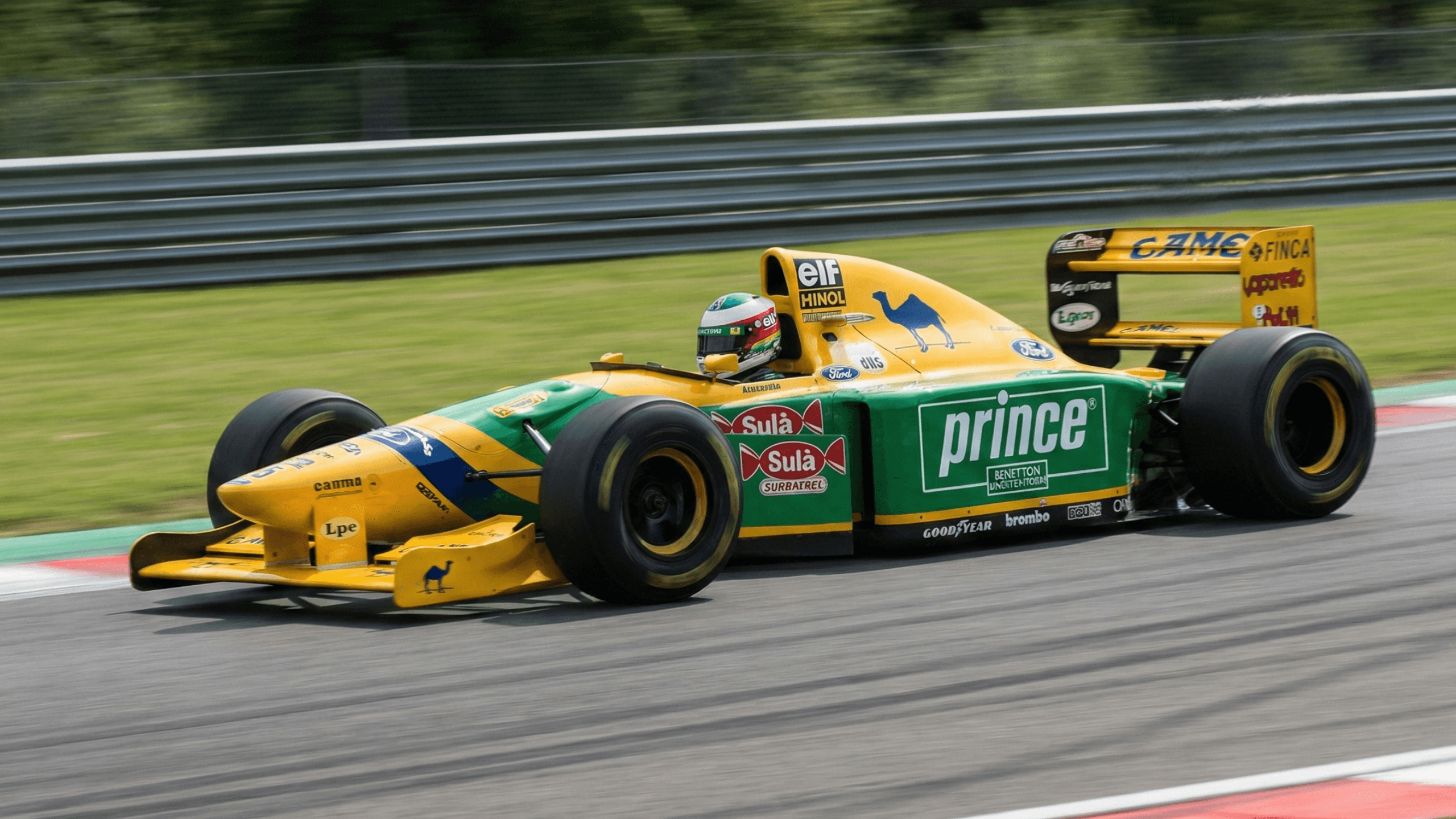
When Riccardo Patrese retired in 1993 after a final season at Benetton alongside Michael Schumacher, he left as the most experienced driver in the history of the sport. His 256 starts represented a marathon that spanned the era of aluminum tubs and the dawn of carbon-fiber dominance. In 2026, Patrese is remembered not just for the trophies, but for the quiet, dignified professionalism that earned him the respect of every engineer who ever worked with him. He was the man who survived the fire, outlasted the cynics, and proved that in Formula One, the greatest skill of all is simply being there when the light turns green.