Jan 13, 2026
The FIA World Endurance Championship: A Definitive Analysis of a Modern Motorsport Legacy
FIA WEC: The Hypercar Renaissance. Inside the tactical war of LMH vs LMDh and how Ferrari and Toyota saved the world’s most iconic endurance series.
The prestige of the modern FIA WEC is not a recent invention, it is a legacy reclaimed from the ashes of the 1990s. The championship’s lineage began in 1953 with the original World Sportscar Championship, an era where the Mille Miglia and Carrera Panamericana were the ultimate proving grounds. That lineage reached its zenith with the Group C regulations of 1982. This was the golden age, defined by a fuel-consumption model that allowed V8s, V12s, and rotaries to battle on equal footing. However, the FIA’s 1991 pivot toward 3.5-liter Formula 1-style engines became its demise. The costs exploded, manufacturer interest evaporated, and by 1992, the championship was gone.
The void left behind was filled by regional successes like the ALMS and ELMS, but the sport lacked a unified global apex. It took twenty years and the transitional Intercontinental Le Mans Cup to finally revive the WEC in 2012. The early years of this revival were dominated by the LMP1 hybrids, silent, terrifyingly fast spaceships from Audi, Peugeot, and Porsche. But history nearly repeated itself, the LMP1-H cars became so technologically dense and expensive that the departure of Porsche and Audi in 2017 threatened a total collapse. The sport was at a crossroads: adapt the regulations to the business office, or watch the grid dwindle into obscurity.
The Hypercar Pivot: LMH vs. LMDh
The salvation of endurance racing came in 2021 with the introduction of the Hypercar class. This was a radical philosophical shift. The WEC stopped asking, "How fast can we go?" and started asking, "How many manufacturers can we fit on the grid?" By moving away from unrestricted performance and toward a Balance of Performance (BoP) model, they lowered the barrier to entry while allowing brands to maintain their visual and mechanical DNA.
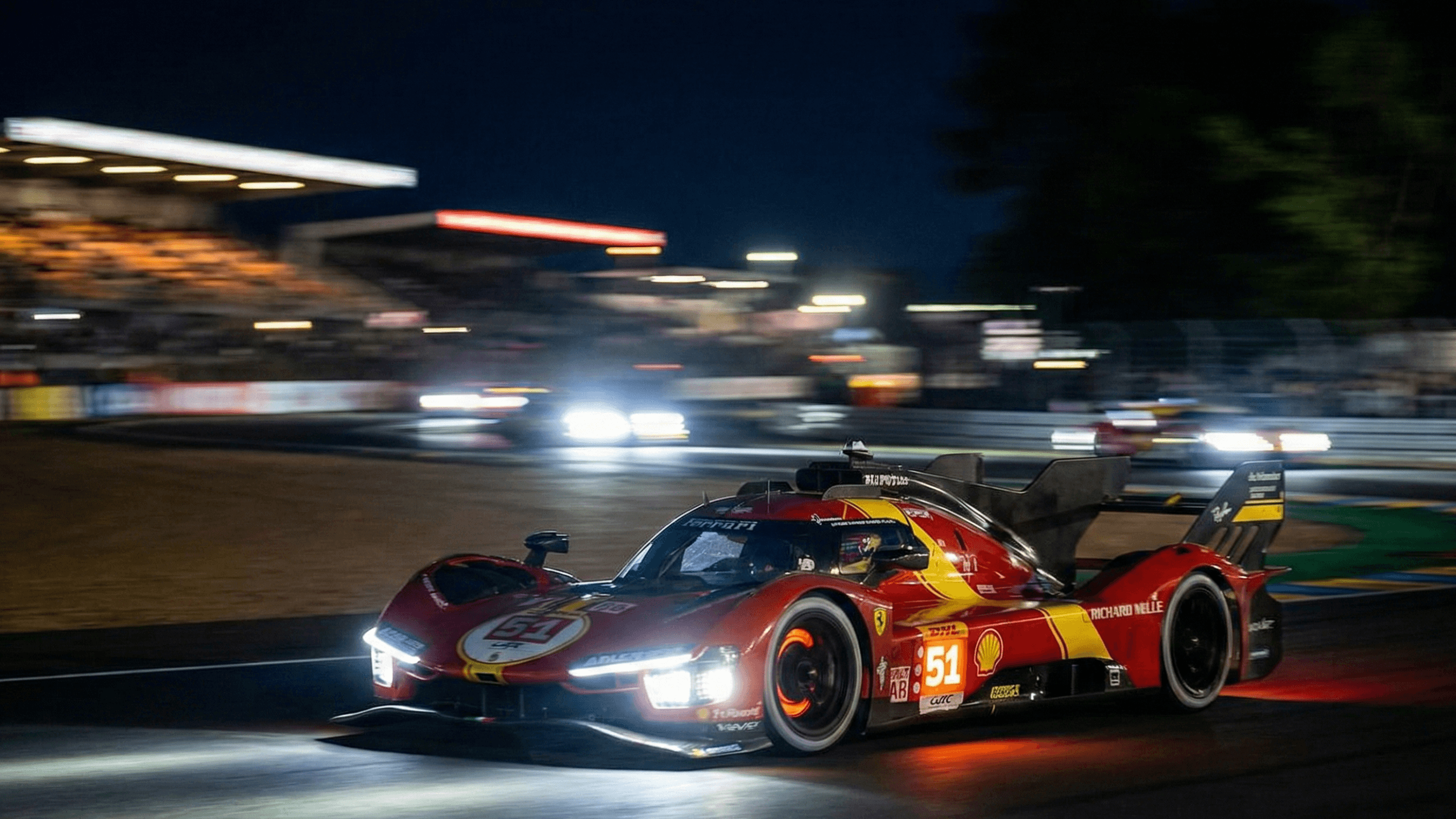
The current grid is split into two distinct engineering paths. The Le Mans Hypercar (LMH) route is the purist choice, favored by Ferrari and Toyota. These are bespoke prototypes where the manufacturer designs the chassis and the hybrid system from the ground up. It is the most expensive path, but it offers total design freedom, resulting in the aggressive, wingless silhouette of the Peugeot 9X8 or the sculpted elegance of the Ferrari 499P.
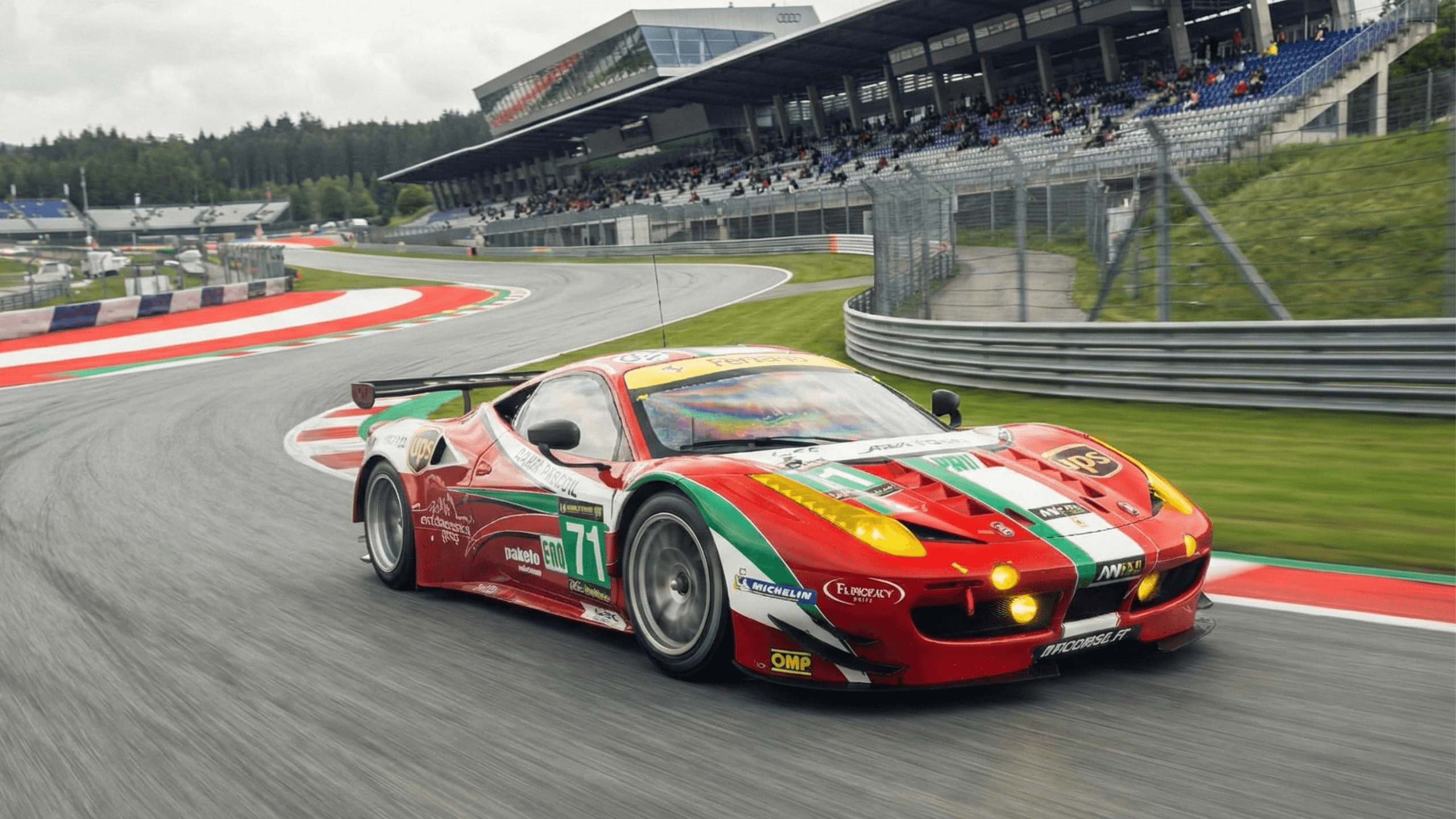
In contrast, the Le Mans Daytona h (LMDh) route, utilized by Porsche, Cadillac, and BMW, is the efficiency choice. These teams use a spec chassis from one of four suppliers and a standardized Bosch hybrid system. This allows them to focus their budgets on the internal combustion engine and styling, providing a massive marketing return on a fraction of the LMP1-era budget. The Balance of Performance is the invisible hand that makes these two concepts equal. By adjusting weight, power, and energy deployment on a race-by-race basis, the FIA ensures that a bespoke Ferrari can be outpaced by a customer Porsche if the strategy is superior.
The Gauntlet: From Spa to the Mulsanne
While the 24 Hours of Le Mans remains the undisputed crown jewel, the WEC is a season-long tactical gauntlet. Le Mans is unique, first held in 1923, it is a "Grand Prix of Endurance" where the Circuit de la Sarthe’s 13.6km layout, much of it public road, puts unimaginable stress on aerodynamics and cooling. Crucially, Le Mans operates on its own dedicated BoP system, independent of the rest of the season, ensuring the prestige of the race isn't compromised by sandbagging in earlier rounds.
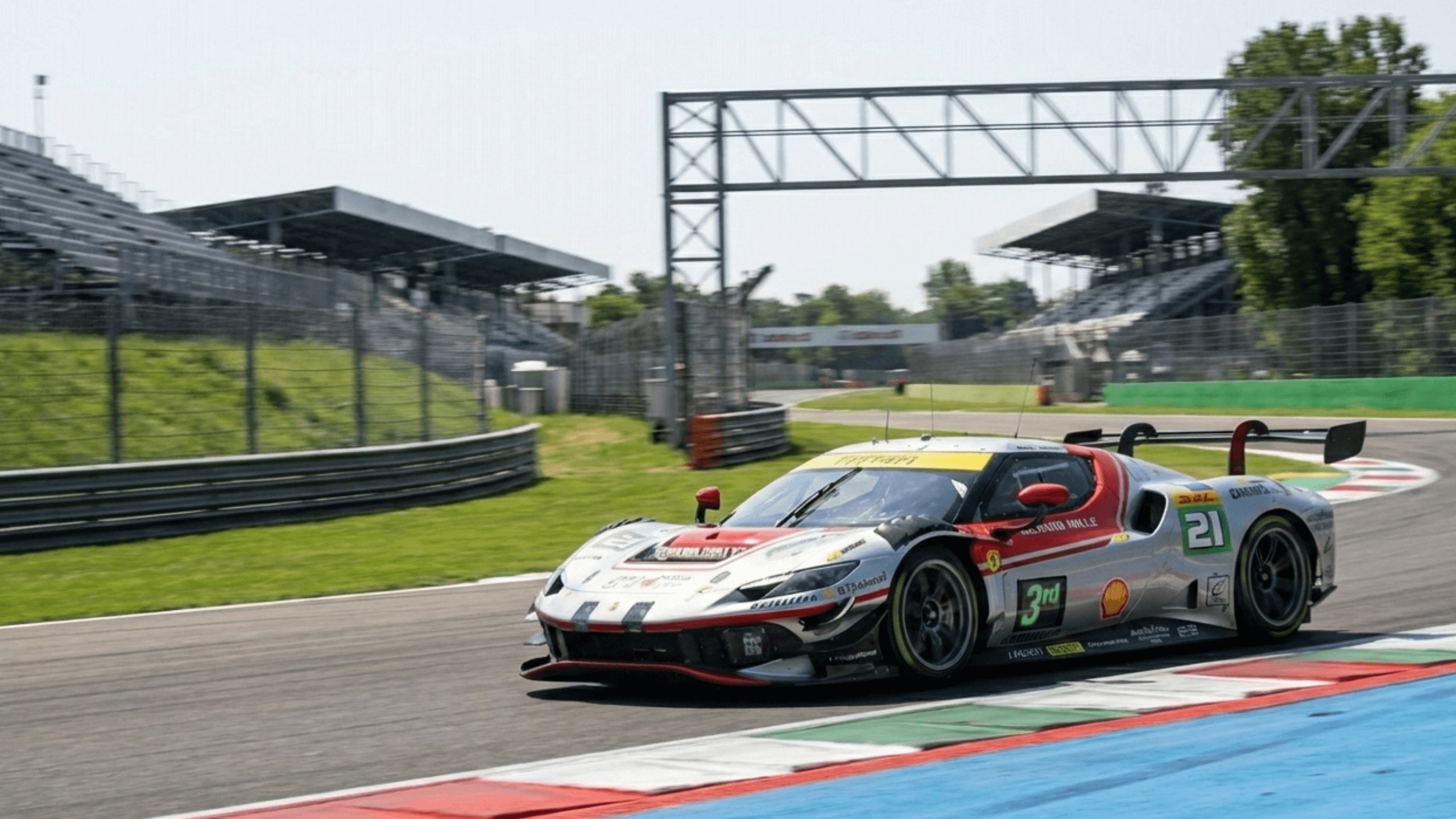
The supporting rounds are no less vital. The 6 Hours of Spa-Francorchamps is the traditional dress rehearsal, where the high-compression loads of Eau Rouge test the structural integrity of the new Hypercars. Fuji Speedway provides a high-speed playground for Toyota’s technical mastery, while the 8 Hours of Bahrain serves as the ultimate test of tire management under the desert heat. With the removal of LMP2 from the full-season grid in 2024 to make room for the Hypercar explosion, the racing has become even more focused. The new LMGT3 class has replaced the GTE era, bringing production-based icons from McLaren, Ford, and Corvette into the fray, ensuring that the prototype leaders must navigate a constant, high-speed slalom of GT traffic.
The Human Element and the Road to 2032
The WEC is a theater of legends. Drivers like Sébastien Buemi and Brendon Hartley have established themselves as the modern titans, while the recent Ferrari vs. Toyota duels at Le Mans have reignited the kind of manufacturer fervor not seen since the Ford vs. Ferrari wars of the 1960s. The 2024 season proved the volatility of the modern era, Porsche Penske Motorsport’s title win was a testament to consistency over outright speed, a hallmark of the new BoP-era strategy.
The future of the championship is now anchored by a decision to extend the current Hypercar regulations through the end of 2032. This long-term stability has already drawn in new blood, with Genesis confirmed for 2026. The WEC has finally learned the lesson of the 1990s: stability breeds competition. By blending technical freedom with strict performance limits, the championship has become the most relevant testing ground for the future of the automobile. Whether it is the hybrid systems of today or the liquid hydrogen prototypes of 2028, the WEC has cemented its status as the world’s most visceral laboratory.